
Caravanning for the first time is exciting, but most beginners overthink what they need. Too much advice, too many lists, and not enough clarity on what actually matters.
This guide cuts through that noise. It explains the caravan essentials beginners truly need for their first trip, why each one matters, and what you can safely leave until later. It also covers the basics of setup, towing confidence, and what makes a caravan genuinely beginner-friendly.
We see first-time caravanners make the same mistakes again and again. This article is built to help you avoid them, feel prepared, and start caravanning with confidence from day one.
Table of Contents
Caravan Essentials You Need Before Your First Trip
These are the essentials every beginner should have before towing away for the first time. Each item solves a common first-trip problem.
- Towing mirrors: Provide clear visibility past the caravan for lane changes, reversing, and safer towing.
- Correct hitch and safety chains: Keep the caravan securely connected to the tow vehicle and meet safety and legal requirements.
- Tyre pressure gauge: Ensures correct tyre pressure on both the vehicle and caravan, improving handling and reducing blowout risk.
- Wheel chocks: Prevent the caravan from rolling once parked and make setup safer.
- Levelling ramps: Keep the caravan flat, which improves sleep, fridge performance, and door operation.
- Spirit level: Removes guesswork during setup and helps you level the caravan quickly.
- Stabiliser pads or plates: Spread weight on soft ground and stop stabiliser legs from sinking.
- Head torch or portable light: Makes night arrivals, setup, and pack-down safer and easier.
- Charged onboard battery: Powers lights, water pumps, and basic systems without relying on mains power.
- Interior and exterior lighting: Improves visibility around camp and inside the caravan after dark.
- Drinking water hose: Provides clean water supply and should always be food-grade and kept separate from waste hoses.
- Waste hose and basic cleaning supplies: Allow correct grey water disposal and make handling waste more hygienic.
- Proper bedding: Improves sleep quality from the first night, which has a big impact on trip enjoyment.
- Outdoor mat: Reduces dirt inside the caravan and keeps the living area cleaner.
- Basic cooking gear: Supports simple meals without overpacking or cluttering storage.
Essentials You Can Add Later
Not everything needs to be bought before your first trip. Many accessories only become useful once you understand how you travel, where you camp, and what actually improves your comfort.
Starting with the basics gives you a cleaner setup and avoids spending money on gear you may never use.
Here are items most beginners can confidently add later.
- Extra outdoor furniture: Start with simple seating. Upgrade once you know how much time you spend outside.
- Additional power accessories: Items like extra chargers or appliances only make sense once you understand your power usage.
- Awning walls or annexes: These add space but also add setup time. They suit longer stays, not quick overnight stops.
- Specialised cooking equipment: Pizza ovens, grills, and coffee machines sound appealing but often stay packed away on early trips.
- Extra storage containers: Storage solutions work best when they match your habits. Wait until you see where clutter builds up.
- Advanced levelling or setup tools: Basic levelling is enough at first. Upgrades only help once you want faster or more precise setup.
- Comfort upgrades: Items like mattress toppers or heaters are best chosen after your first few nights on the road.
The goal of your first trip is learning, not perfection. Every trip teaches you something about how you camp and what truly adds value.
Next, we cover beginner setup basics that make a big difference, even with minimal gear.
Beginner Setup Basics That Make a Big Difference
Good setup habits matter more than extra gear. A simple, repeatable routine makes your first trips calmer and more enjoyable. Here are some recommendations you should consider before your first trip.
Towing Confidence for Beginners
Confidence starts before you reach the campsite.
Practice towing in a quiet area before your first trip. Focus on braking, turning, and reversing at low speeds. Small practice sessions build muscle memory and reduce anxiety on the road.
Keep your load balanced. Store heavier items low and close to the axle. This improves stability and makes the caravan easier to control.
Drive to conditions. Extra distance for braking and gentle steering inputs make towing feel predictable rather than stressful.
Arrival and Setup Routine
Arriving with a plan saves time and frustration.
Start by positioning the caravan before unhitching. Check level front to back and side to side before adjusting.
Chock the wheels early. This prevents movement and keeps the caravan stable while you work.
Level first, stabilise second. Levelling affects comfort and appliance performance. Stabiliser legs only remove movement once level is correct.
Work through the same steps every time. A consistent routine reduces mistakes and speeds up future setups.
Power and Water Awareness
You do not need technical knowledge, just awareness.
Know what runs on your battery. Lights, water pumps, and fridges draw power. Using them together increases consumption.
Monitor water levels early. Running out of water mid-stay causes unnecessary disruption.
Start conservative. Use what you need and observe how your systems respond. Confidence grows quickly with basic awareness.
These setup habits remove stress and help you enjoy the trip from the moment you arrive. Next, we will look at what makes the best caravan for beginners and how to choose one that supports learning rather than complicating it.
What Makes the Best Caravan for Beginners
The best caravan for beginners is not the biggest or the most feature packed. It is the one that feels easy to tow, simple to set up, and comfortable to live in from day one.
Beginner friendly design removes friction. It lets you focus on learning and enjoying the trip rather than managing systems or fixing mistakes.
Size and Weight Matter More Than You Think
A lighter, more compact caravan is easier to tow and control. It responds better to steering and braking, especially for first time towers.
Matching the caravan to your tow vehicle matters. Staying within comfortable limits improves confidence and reduces fatigue on longer drives.
Smaller caravans are also easier to manoeuvre into campsites. This makes arrivals less stressful and short stays more appealing.
Learn more: Caravan Weights Explained: What Does GVM, ATM, Tare & Ball Weight Mean?
Learn more: Caravan Size Guide
Layout Should Support Daily Use
A good layout makes everyday tasks simple.
Easy access to beds, kitchen areas, and storage reduces setup time. Fewer steps between tasks make the caravan feel intuitive rather than awkward.
Clear storage zones help keep gear organised. This matters more for beginners who are still developing packing habits.
Layouts that support quick pack up and pack down suit weekend trips and frequent travel.
Ease of Operation Builds Confidence
Simple systems are better when starting out.
Controls that are easy to understand reduce reliance on manuals and guesswork. This helps beginners feel capable faster.
Caravans designed with straightforward power, water, and setup processes remove common stress points.
The easier the caravan is to operate, the more likely you are to use it often and enjoy every trip.
Comfort Without Complexity
Comfort matters, but it should not come with extra work.
Good ventilation, practical sleeping spaces, and thoughtful lighting improve comfort without adding steps to setup.
A beginner friendly caravan balances comfort with simplicity. This makes learning enjoyable rather than overwhelming.
Choosing the right caravan early sets the tone for your entire caravanning experience. Next, we look at common beginner mistakes and how to avoid them before they happen.
Common Beginner Mistakes and How to Avoid Them
Most first-time caravanners make similar mistakes. Knowing them early saves time, money, and frustration.
Buying Too Big Too Soon
Bigger caravans feel appealing, but they add complexity. Extra weight, size, and systems increase towing stress and setup time.
Start with a caravan that feels manageable. Confidence grows faster when the caravan works with you, not against you.
Overpacking Without a Plan
More gear does not mean a better trip. Overpacking clutters storage and slows setup.
Pack for your actual itinerary. Short trips need fewer items than long stays. Adjust as you gain experience.
Skipping Practice Before the First Trip
Learning on arrival increases stress. Practice hitching, levelling, and basic system checks at home.
A short trial run builds familiarity and reduces mistakes when it matters.
Ignoring Weight and Load Balance
Poor weight distribution affects handling and braking. Heavy items stored too far back can cause instability.
Keep heavier gear low and close to the axle. This improves control and towing comfort.
Focusing on Features Instead of Use
Features look good on paper but may not suit how you travel. Complex systems add learning time.
Prioritise ease of use over extra options. Simple systems build confidence and enjoyment.
Avoiding these mistakes helps beginners start strong. Next, we explain why beginner friendly design matters more than accessories and upgrades.
A Simple Next Step for First-Time Caravanners
If you are new to caravanning, the right advice and the right caravan make a big difference. This is where many beginners either gain confidence quickly or struggle through their first few trips.
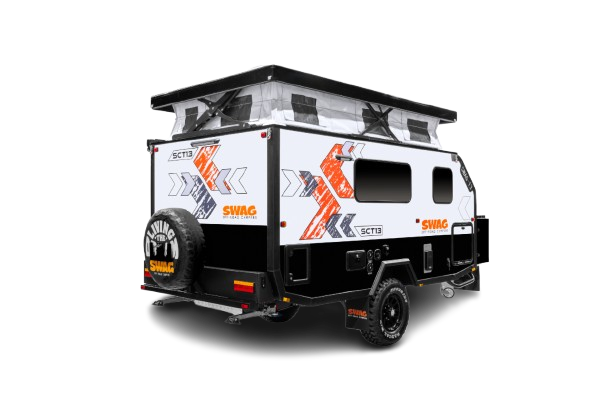
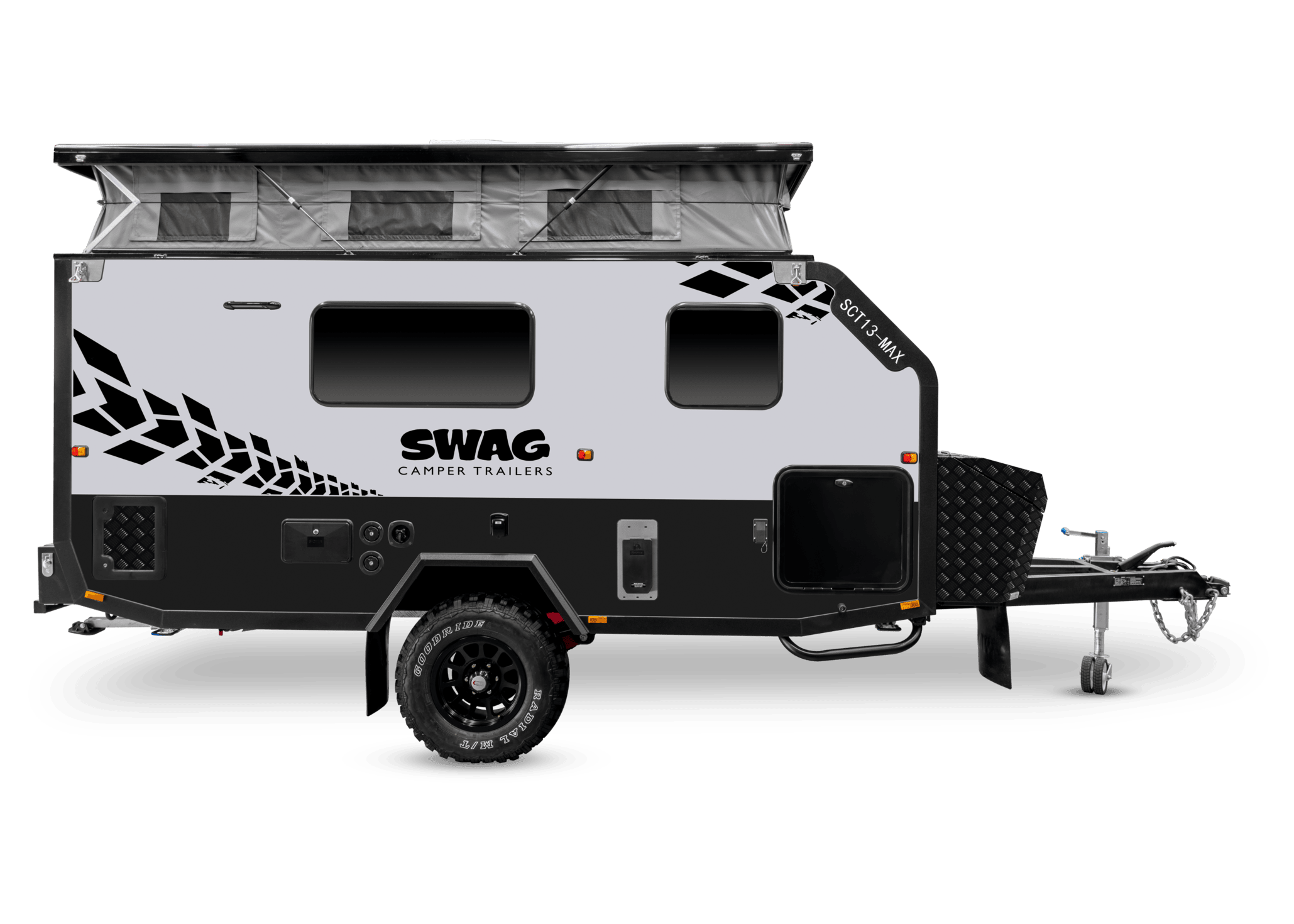
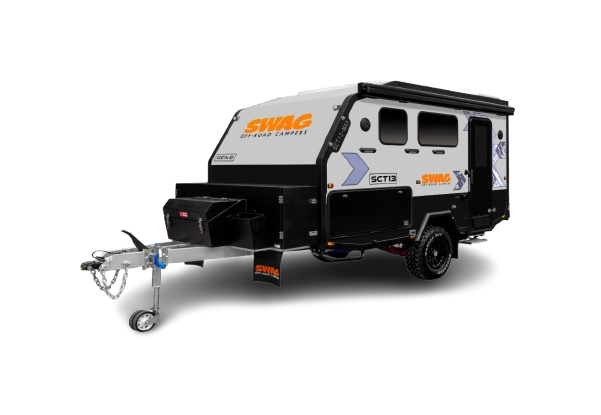
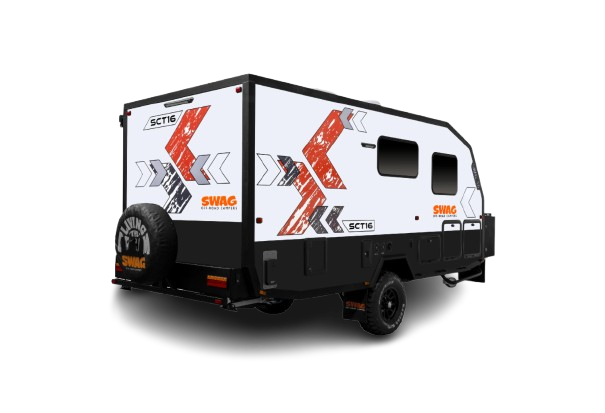
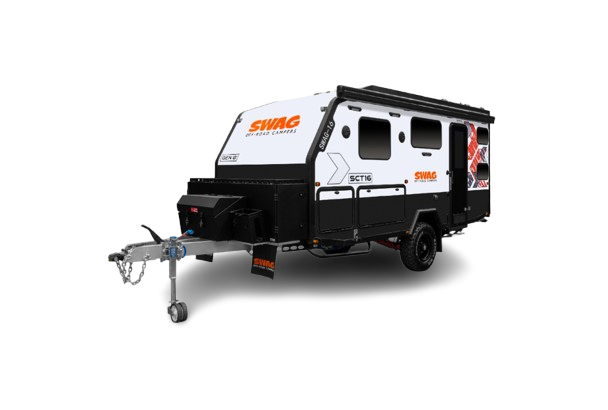
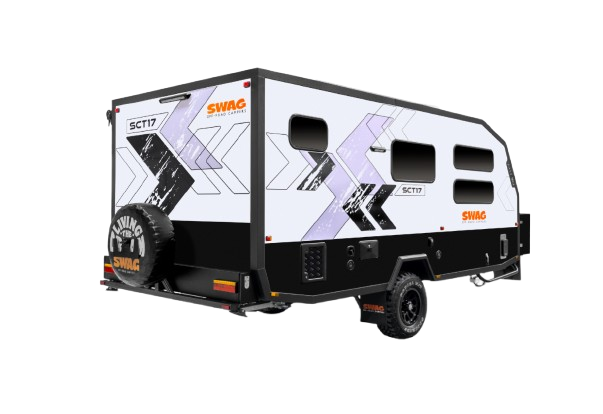
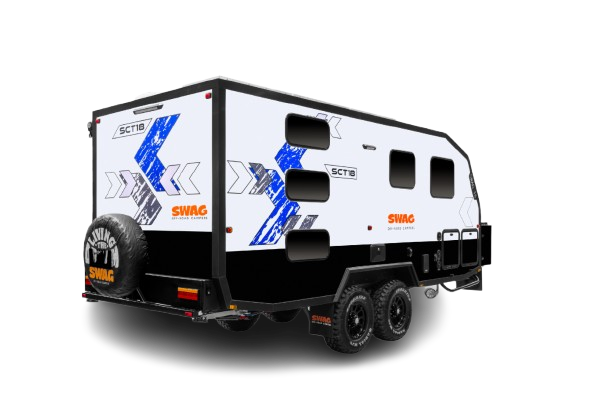
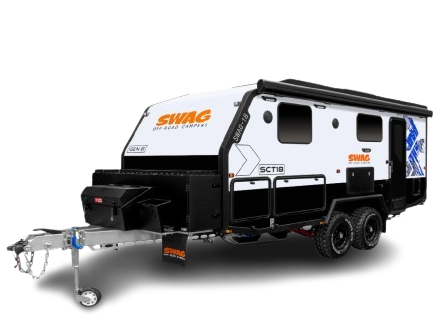
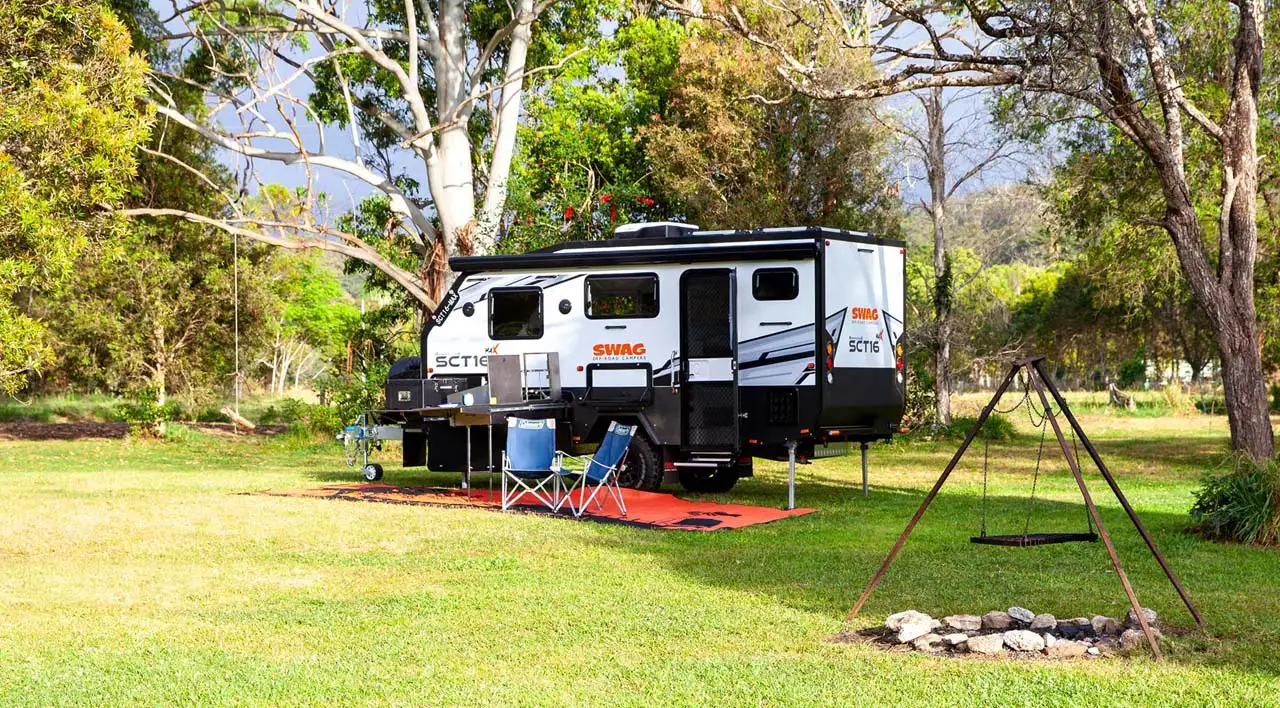
At SWAG, we design off-road hybrid caravans and hybrid pop-top caravans with first-time owners in mind. Our layouts are practical, our systems are easy to understand, and our caravans are built to be comfortable without unnecessary complexity. This helps beginners learn faster, tow with confidence, and enjoy their time away sooner.
If you would like help choosing the right first caravan, our team can talk through your vehicle, travel plans, and experience level. That guidance often prevents costly mistakes and makes the transition into caravanning far smoother.
Explore our beginner-friendly caravan range or speak with our team to get clear, practical advice before you take the next step.