
Choosing between a camper trailer and a caravan can feel harder than it should be.
Pick the wrong option, and you may end up with something that does not match the way you travel.
Understanding the key differences makes the decision much easier.
This guide compares camper trailers and caravans so you can confidently choose the option that suits your trips.
Camper Trailer vs Caravan Comparison At A Glance
When comparing a camper trailer vs caravan, the biggest differences usually come down to comfort, towing size, setup time, and travel style.
Feature | Camper Trailer | Caravan |
Setup time | Usually 10 to 30 minutes depending on the design and campsite setup. Some soft floor campers can take longer. | Usually 5 to 10 minutes. Most caravans are ready once parked, levelled, and connected. |
Comfort level | Similar to camping with a tent, but with a raised sleeping area and some built-in features. Note: Our hybrid pop-top caravans don’t sacrifice comfort for size and towing weight | Higher comfort with enclosed sleeping space, seating, and built-in storage. |
Weather protection | Canvas provides shelter but can feel more exposed in bad weather. | Solid walls provide stronger protection from wind, rain, and cold. |
Towing size | Lower height and compact footprint make towing easier for many drivers. | Larger and taller. Requires more towing awareness and a suitable vehicle. |
Off-road capability | Often well suited to rough tracks and remote camping. | Depends on the model. Some caravans are designed specifically for off-road travel. Note: Our entire range of hybrid caravans are designed to go off-road, meaning you don’t need to sacrifice comfort for capability. |
Storage space | Limited internal storage. Gear is often stored in the vehicle or external compartments. | More built-in cupboards, drawers, and internal storage areas. |
Cost | Generally lower purchase price. | Usually higher purchase price due to additional features and structure. |
Living space | More outdoor living with awnings and external kitchens. | More indoor living space with kitchen and seating areas inside the van. |
8 Questions That Will Help You Decide Whether a Camper Trailer or Caravan is the Best Choice For You
Before comparing travel styles, it helps to look at a few practical factors that apply to almost every buyer.
These are the elements that often determine what type of setup will realistically work for you.
Answering these questions first can make the final decision much easier.
1. What Vehicle Will You Be Towing With?
Your tow vehicle is often the biggest factor when choosing between a camper trailer and a caravan.
Every vehicle has a maximum towing capacity, and many caravans can weigh significantly more than camper trailers once they are loaded with water, gear, and supplies.
It is important to check:
- Maximum braked towing capacity of your vehicle
- Maximum tow ball weight (also called tow ball download)
- Vehicle payload capacity, including passengers, fuel, and gear
- Gross Combination Mass (GCM), which is the combined weight of the vehicle and trailer
- The tare weight of the camper trailer or caravan
- The ATM (Aggregate Trailer Mass), which is the maximum allowed trailer weight when fully loaded
- The tow bar rating fitted to your vehicle
- The weight of water tanks, batteries, and camping gear, which can significantly increase the trailer’s loaded weight
- Whether your vehicle requires a weight distribution hitch for heavier caravans
- Your vehicle’s engine power and torque, especially if you plan to travel through hilly or remote areas
These factors determine whether your vehicle can safely tow a camper trailer or caravan once it is fully loaded for travel.
Camper trailers can be towed by a wider range of vehicles because they are generally lighter and more compact.
Larger caravans may require vehicles with higher towing capacities and stronger payload ratings.
If your current vehicle has limited towing capacity, that may narrow the options to smaller camper trailers.
On the other hand, travellers with larger 4WD vehicles may have more flexibility when choosing between different setups.
Learn more: Caravan Weights Explained: What Does GVM, ATM, Tare & Ball Weight Mean?
2. Where Will You Store It?
Storage is one of the most overlooked parts of buying a camper trailer or caravan.
Caravans are usually longer and taller, which means they require more space at home. Some buyers only realise this after purchase when they try to fit the van in their driveway or garage.
Before deciding, consider:
- Do you have enough driveway space?
- Will it fit in your garage or under a carport?
- Are there height restrictions at home?
- Will you need to use paid storage?
Camper trailers and compact hybrid caravans often have a smaller storage footprint, which can make them easier to keep at home.
For buyers with limited storage space, this factor alone can influence the decision.
3. How Comfortable Are You With Towing?
Not everyone has the same level of experience or confidence when towing.
Camper trailers usually sit lower and have a smaller profile behind the vehicle. This can make them feel easier to tow, especially for people who are new to towing or travelling on narrow roads.
Caravans are taller and often longer, which can require more awareness when driving, reversing, and parking.
Think about:
- Have you towed trailers before?
- Are you comfortable reversing with a trailer attached?
- Will you be towing on highways, regional roads, or tight tracks?
For some travellers, the idea of towing a large caravan can feel intimidating at first. Others who have experience towing boats, horse floats, or work trailers may feel more comfortable managing a larger setup.
Once you’ve worked out how big of a caravan your vehicle is able to tow, consider renting a caravan at a similar size if you’ve never had experience towing a trailer, boat etc… before.
This will help you decide on the weight that right for you.
4. Where Do You Plan to Travel?
Your travel destinations should strongly influence your decision.
Some travellers spend most of their time in caravan parks or established campgrounds. Others prefer exploring national parks, beaches, and remote camping areas.
Ask yourself:
- Will you mainly stay in caravan parks?
- Do you want to access remote camping locations?
- Are rough tracks or beach access part of your travel plans?
Camper trailers have traditionally been popular for remote travel because they are compact and capable on rough terrain.
Many modern caravans are also designed for off road touring, but size and weight can still influence where you feel comfortable towing.
Understanding where you plan to travel helps narrow down which setups will work best.
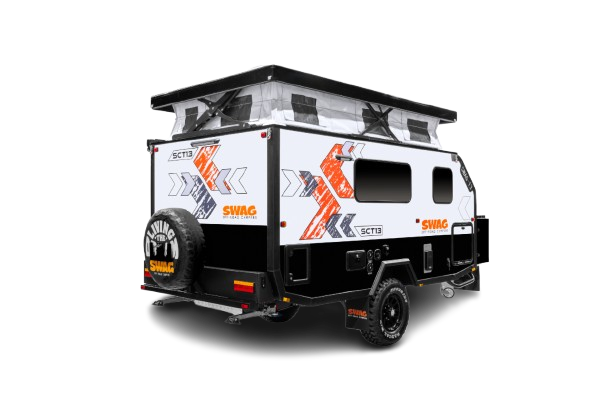
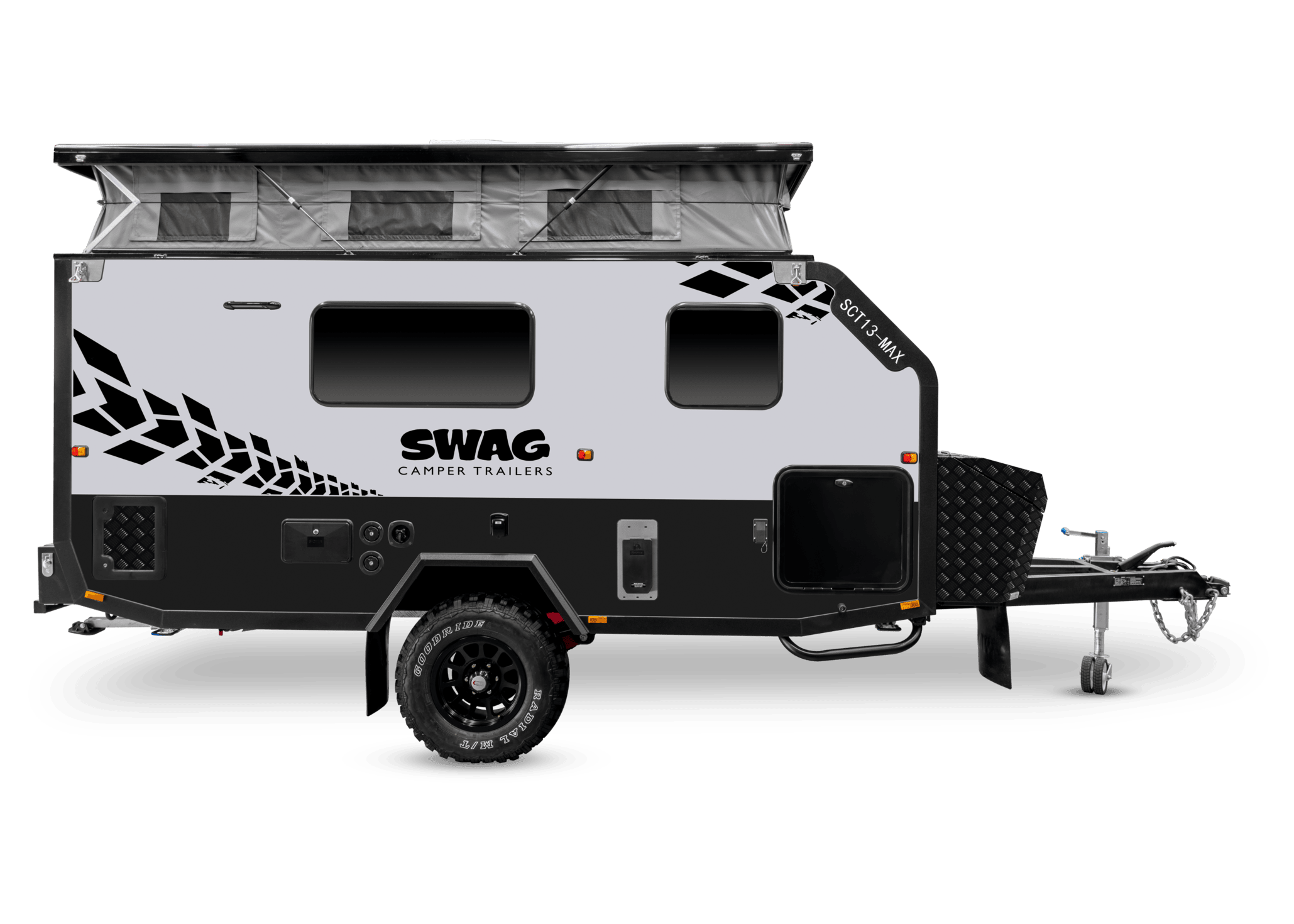
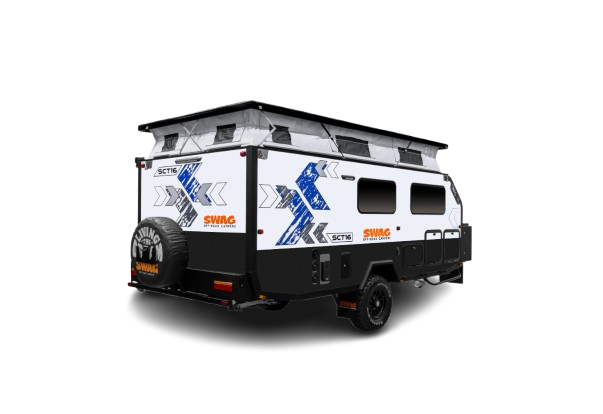
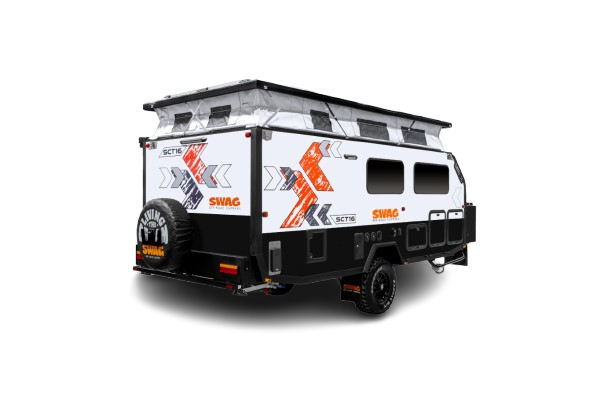
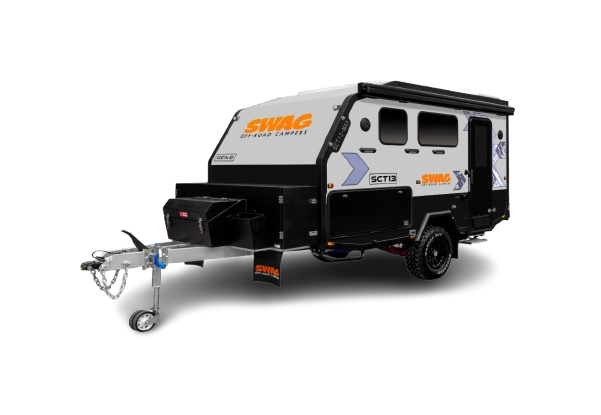
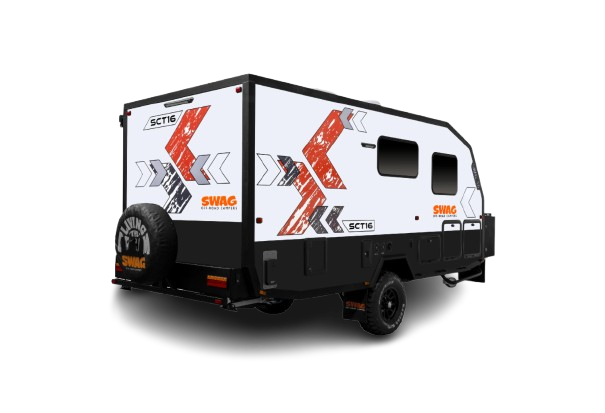
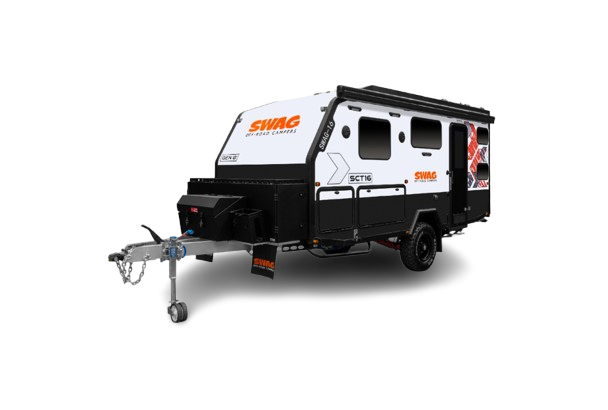
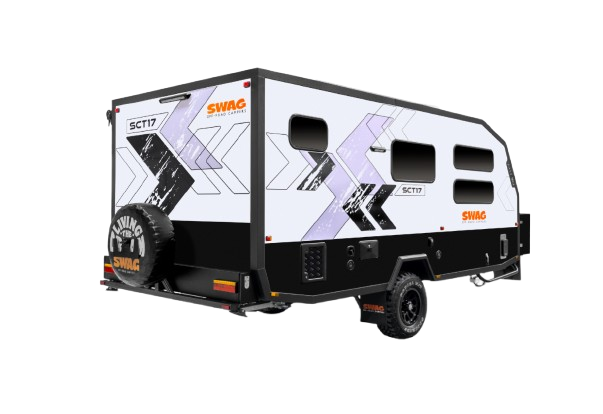
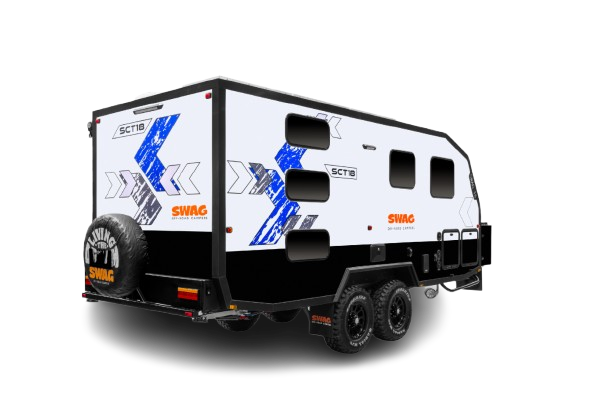
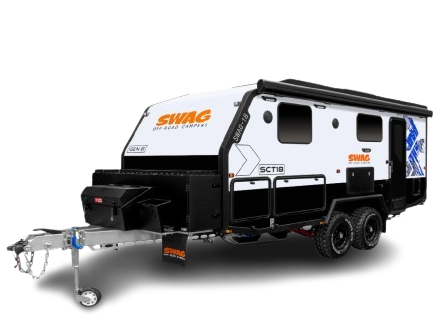
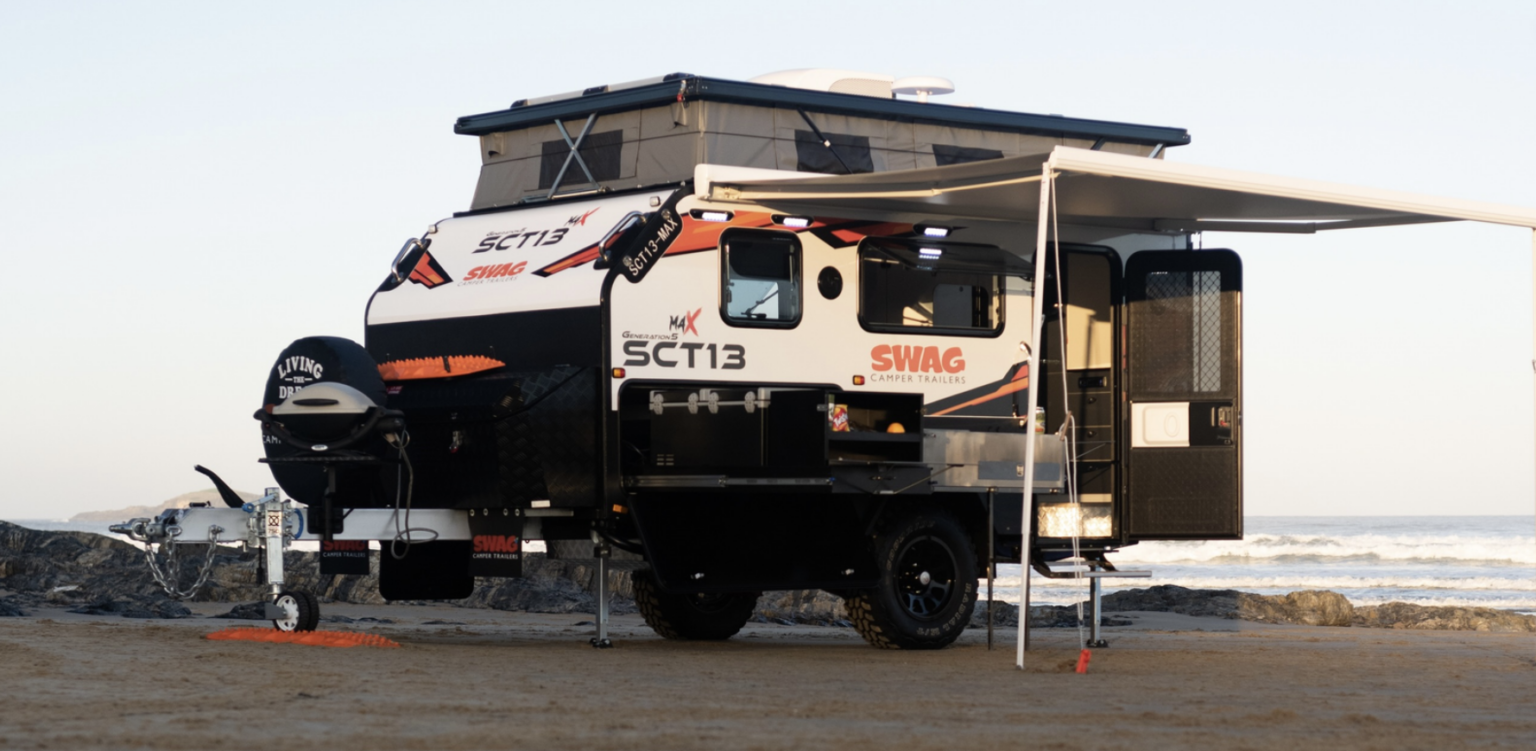
All of our SWAG Off-Road Campers are built to handle Australia’s roughest terrain. Our pop-top range, offers the capability of a camper trailer with the comfort of our full sized hybrid caravans, while keeping the overall height lower and easier to manage.
5. How Often Will You Be Setting Up Camp?
The frequency of setup and pack down can affect how convenient your setup feels.
If you move camps regularly, faster setup can make travel much easier. If you tend to stay in one place for several days at a time, spending extra time setting up may not matter as much.
Consider your typical travel pattern:
- Will you move camps every day?
- Do you prefer quick overnight stops while touring?
- Or do you stay at one campsite for several nights?
For travellers who move frequently, a caravan or hybrid caravan is usually the more practical option.
Most caravans can be ready within a few minutes after parking and levelling, which makes daily travel much easier.
If you’re generally spending more time in one place, the time spent setting up a camper trailer becomes less of an issue, but we would recommend that you consider the other factors in this article to help you decide if it’s the best choice for your circumstances.
6. How Long Will Your Trips Usually Be?
Trip length often changes what travellers value most.
Similar to question 5, if you are planning a longer trip and are comfortable towing larger vans, a caravan will usually make travel more comfortable. It provides more storage, better weather protection, and a more convenient living space for extended time on the road.
For travellers planning weeks or months of touring, the added comfort and internal space of a caravan can make daily life much easier. Features such as fixed beds, internal kitchens, and larger storage areas become far more valuable on longer journeys.
If your trips are usually short weekend getaways, a camper trailer can still work well. The extra setup time becomes less of a concern when you are only setting up once or twice during a short trip.
7. How Much Gear Do You Usually Travel With?
The amount of gear you bring on your trips can significantly influence how much space you need.
Some travellers prefer to pack light and only carry the essentials. Others travel with a wide range of equipment for outdoor activities, longer trips, or family travel.
Think about the items you usually bring with you:
- Bikes, kayaks, surfboards, or fishing gear
- Recovery equipment for off-road travel
- Outdoor furniture such as chairs and tables
- Cooking equipment and food storage
- Clothing and supplies for longer trips
- Extra items for children or pets
Travellers who carry a lot of equipment often benefit from a setup with more built-in storage and internal space.
Caravans typically provide larger storage areas such as cupboards, drawers, and external compartments. This can make it easier to organise gear and keep the living space comfortable during longer trips.
If you prefer to pack light and keep things simple, a camper trailer may still provide enough space for your needs.
8. What Level of Comfort Do You Expect While Travelling?
Comfort expectations vary widely between travellers, and they often influence the type of setup that feels right once you are on the road.
Some travellers enjoy a more traditional camping experience with outdoor cooking and canvas sleeping areas. Others prefer a setup that feels closer to a small home while travelling, with enclosed living space and built-in amenities.
Think about what matters most to you when you are camping:
- A fully enclosed sleeping area with a fixed bed
- Protection from wind, rain, and colder weather
- An internal kitchen or cooking space
- Indoor seating or dining space for relaxing
- Access to onboard facilities such as a fridge, sink, or bathroom
If you are comfortable with a more outdoor camping style, a camper trailer can still provide a great travel experience.
If you prefer greater comfort and convenience, a caravan may be the better option. The enclosed space, built-in facilities, and weather protection can make longer trips more enjoyable.
Find the Right Balance with SWAG Off-Road Campers
Choosing between a camper trailer and a caravan often comes down to balancing comfort, capability, and practicality.
Many travellers like the compact towing and off-road access of camper trailers. Others prefer the convenience and comfort that caravans provide once they reach camp.
At SWAG Off-Road Campers, our goal is to bring those advantages together.
Our range of hybrid caravans and pop-top campers is designed for Australian conditions, giving travellers the comfort of a caravan while remaining compact, capable, and practical to tow.
Whether you are planning weekend escapes, family trips, or longer adventures around Australia, our campers are built to handle rough terrain without sacrificing comfort.
From couples touring setups to family-ready hybrid caravans, SWAG Off-Road Campers focuses on creating travel solutions that work for the way Australians actually explore the country.
If you are looking for a setup that balances off-road capability, comfort, and manageable towing, our range of hybrid caravans and pop-top campers is a great place to start.
Explore the SWAG Off-Road Camper range to find the right setup for your next adventure.