
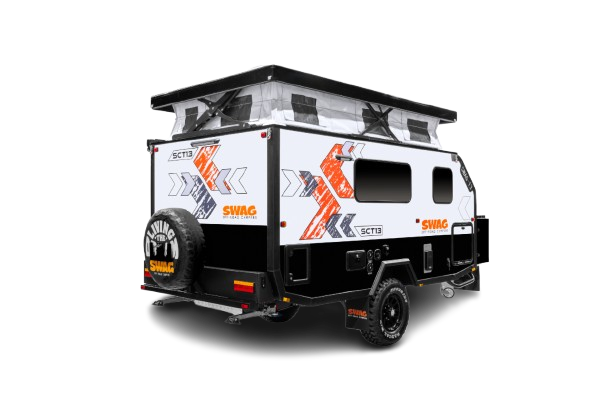
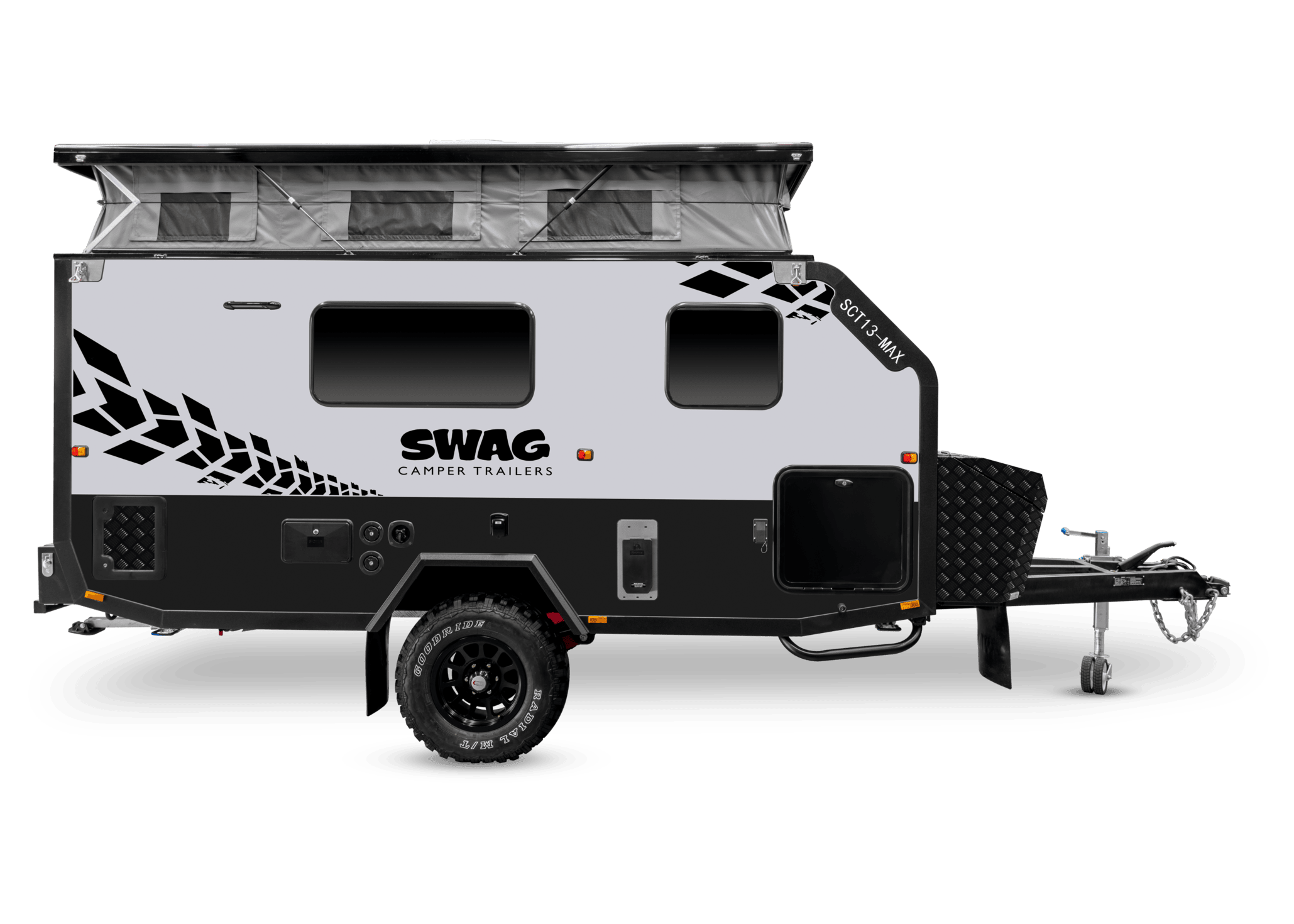
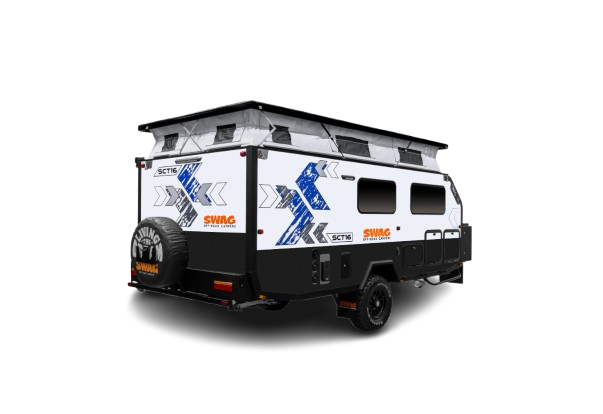
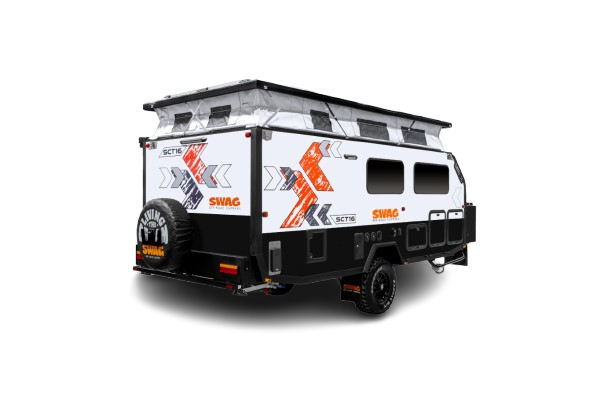
Choosing between an off-road caravan and a standard caravan can have a big impact on where you are able to travel.
Selecting the wrong type of caravan can limit the destinations you can comfortably reach. In some cases, it can even lead to damage if a caravan is taken onto roads it was not designed to handle.
The good news is that once you understand the key differences between these two types of caravans, the decision becomes much easier.
In this guide, we will break down:
- The key structural differences between off-road and standard caravans
- Why standard caravans can struggle on rough or unsealed roads
- Why many Australian travellers choose off-road caravans for greater travel freedom
By the end, you will have a clear understanding of which option fits the way you want to travel and whether an off-road caravan is the right investment for your adventures.
Key Differences Between Off-Road and Standard Caravans
Understanding the structural differences between these caravan types helps explain why each performs differently.
Feature | Off-Road Caravans | Standard Caravans |
Chassis and Construction | Built with a stronger chassis and reinforced frames designed to handle vibration, corrugations, and uneven terrain. | Built with a lighter chassis designed for efficiency and comfort on sealed roads. Not designed for prolonged rough-road use. |
Suspension Systems | Often use independent suspension systems that allow each wheel to move separately. This improves stability and durability on rough terrain. | Usually uses simpler suspension systems designed mainly for highway travel and smooth surfaces. |
Ground Clearance | Higher ground clearance helps prevent damage from rocks, dips, and uneven tracks. | Lower clearance improves stability on sealed roads but limits access to rough terrain. |
Tyres and Wheels | Larger off-road tyres designed for gravel roads and rugged conditions. | Standard road tyres designed for sealed highways and smoother travel. |
Water Storage and Off-Grid Capability | Larger water tanks and electrical systems designed for off-grid camping and remote travel. | Smaller water storage and electrical systems typically designed for powered caravan parks. |
Dust Protection | Often includes dust sealing systems that reduce dust entering the caravan on dirt roads. | Dust protection is usually limited because these caravans are intended for sealed roads. |
Weight and Towing | Often heavier due to stronger construction and off-road components. May require a more capable tow vehicle. | Usually lighter and easier to tow with a wider range of vehicles. |
Interior Fit-Out Durability | Often include reinforced cabinetry, stronger fittings, and secure internal fixtures designed to withstand vibration and rough road conditions. | Interior fittings are typically designed for sealed road travel and comfort. Extended rough-road vibration can loosen cabinetry and fixtures over time. |
Where They Perform Best | Gravel roads, national parks, remote touring routes, and off-grid camping areas. | Sealed highways, caravan parks, and developed tourist destinations. |
Typical Cost | Generally more expensive due to stronger construction and specialised components. | Often more affordable due to simpler construction and fewer off-road features. |
Why It’s Risky to Take a Standard Caravan Off-Road
Standard caravans are designed primarily for sealed highways and well-maintained roads. While they may handle short sections of light gravel, taking them regularly onto rough or remote tracks can create several problems.
Structural Stress
Standard caravans are built with lighter chassis and components to improve towing efficiency. Rough roads and corrugations create constant vibration and impact forces. Over time this can place significant stress on the chassis and frame. This may lead to cracks, structural fatigue, or long-term damage.
Suspension Damage
Suspension systems on standard caravans are designed for smoother surfaces. When exposed to uneven terrain, rocks, and corrugated roads, the suspension can wear out much faster.
This reduces towing stability and increases the risk of component failure during longer trips.
Interior Damage From Vibration
Rough roads create strong vibration throughout the caravan. Standard caravans often use interior fittings designed for sealed road travel. Over time this vibration can cause:
- Cabinetry loosening
- Screws and fittings working loose
- Appliances shifting or becoming damaged
Off-road caravans usually include reinforced cabinetry and stronger fixtures to reduce this risk.
Lower Ground Clearance
Standard caravans typically sit closer to the road. On uneven tracks this increases the chance of the chassis or plumbing components hitting rocks, dips, or ruts. Damage to water tanks, plumbing, or stabiliser legs can occur if clearance is insufficient.
Dust Ingress
Dust can be a serious issue on dirt roads. Standard caravans often lack the dust sealing systems found in off-road caravans. Without these systems, fine dust can enter the caravan through small gaps while driving on dirt roads.
Reduced Travel Confidence
Perhaps the biggest issue is confidence. Travelling on rough roads with a caravan not designed
for those conditions can make trips more stressful. Drivers may feel limited in where they can go or worry about damaging the caravan.
For travellers who want to explore national parks, regional tracks, or remote destinations, a caravan built for off-road conditions provides far greater peace of mind.
Why an Off-Road Caravan is Worth the Extra Cost
Off-road caravans usually cost more than standard caravans. The difference reflects stronger construction, specialised suspension, and systems designed for tougher conditions. For many travellers, the extra investment quickly proves worthwhile once they start exploring beyond sealed roads.
Greater Travel Freedom
One of the biggest advantages is flexibility.
Australia has thousands of incredible destinations that sit beyond sealed highways. National parks, coastal tracks, remote camps, and regional touring routes often involve gravel or dirt roads.
An off-road caravan allows you to travel these routes with far more confidence. Instead of limiting your trips to major caravan parks, you gain the freedom to explore places that many travellers never reach.
Access to More Unique Camping Locations
Some of the most memorable camping spots in Australia are not located in busy holiday parks. They are found in quieter national parks, coastal reserves, and remote landscapes.
With an off-road caravan, you can access these locations more easily. This often means:
- Less crowded campsites
- More natural surroundings
- Greater privacy and space
For many travellers, this type of experience is one of the biggest reasons they choose an off-road caravan.
Confidence on Mixed Road Conditions
Australian road trips rarely stay on perfect bitumen for the entire journey. Regional routes often include gravel roads, uneven tracks, and long stretches between towns.
An off-road caravan is built to handle these conditions. Stronger suspension, increased clearance, and durable construction provide peace of mind when the road surface changes.
This confidence can make a major difference during long touring trips.
Built for Longer Adventures
Off-road caravans are often designed with longer travel in mind.
Features such as larger water tanks, stronger electrical systems, and off-grid capability allow travellers to spend more time away from powered sites.
This opens the door to extended trips through regional and remote areas without constantly needing to return to caravan parks.
Long-Term Durability
Rough roads create vibration and stress over time. Off-road caravans are designed to manage this with stronger chassis, reinforced components, and durable construction.
For travellers planning frequent touring or long road trips, this durability can protect the caravan from long-term wear and tear.
The Ability to Explore More of Australia
For many people, buying a caravan is about more than accommodation. It is about the freedom to explore.
An off-road caravan expands the number of places you can visit and the type of experiences you can enjoy along the way.
For travellers who want to see more of Australia and travel with confidence, the extra cost often becomes a worthwhile investment in the journey itself.
Ready to Explore Further? Discover SWAG Off-Road Caravans
If this guide has helped you realise that an off-road caravan better suits the way you want to travel, the next step is choosing one built for real Australian conditions.
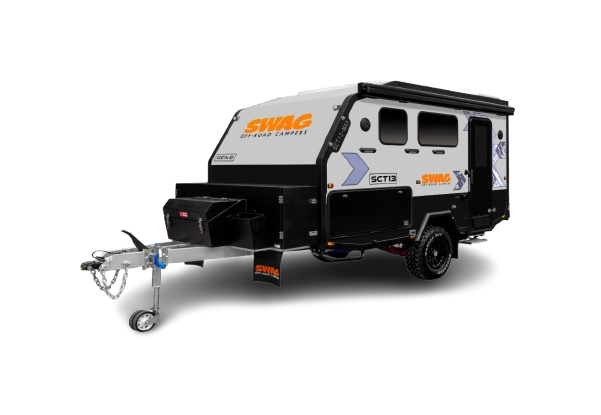
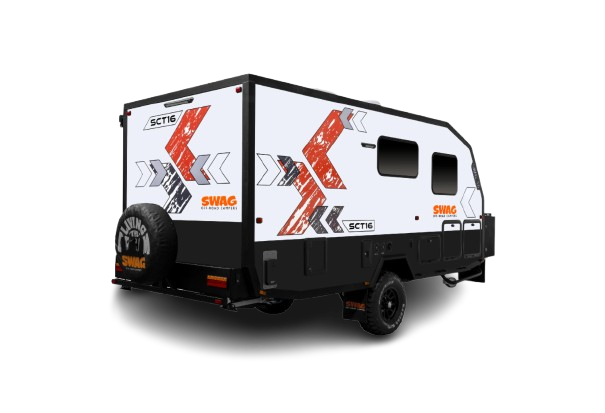
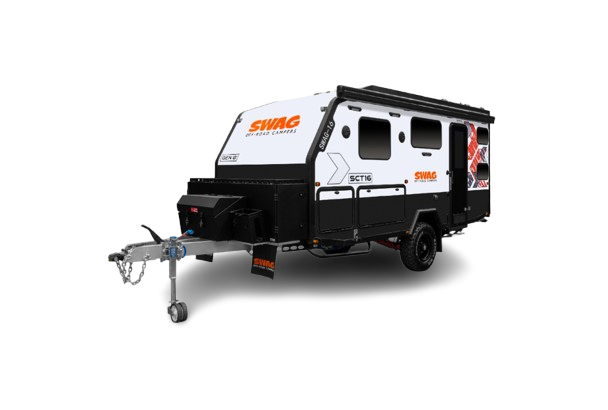
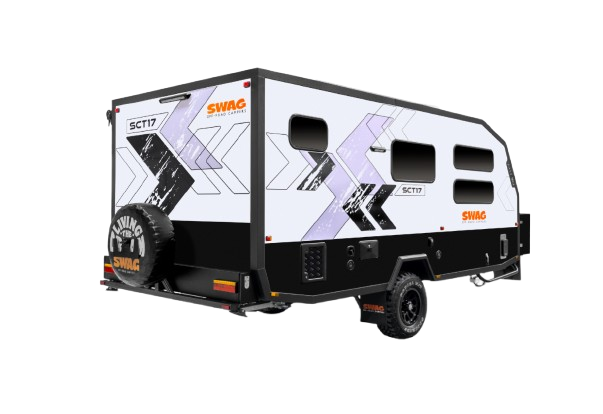
At SWAG Off-Road Campers, every caravan is designed with durability, practicality, and travel freedom in mind. Our caravans are built for people who want to go beyond sealed highways and explore more of Australia with confidence.
SWAG caravans combine strong construction with practical layouts that make life on the road comfortable and easy. From reinforced chassis and suspension systems to off-grid capability and smart storage, each design focuses on what travellers actually need during long trips.
Whether you are planning extended regional touring, visiting national parks, or simply want the flexibility to take the road less travelled, SWAG caravans are built to support that lifestyle.
Many travellers start with the same question you may have had at the beginning of this guide. They want a caravan that gives them confidence on rough roads while still providing comfort for longer journeys.
If that sounds like you, it is worth exploring what SWAG has to offer.
Take a look at the SWAG range of off-road pop-top and hybrid caravans and see how they are built to help Australian travellers explore further, travel confidently, and enjoy the journey wherever the road leads.