
Choosing a caravan sounds simple until you start looking properly.
Suddenly, you are comparing layouts, weights, features, sleeping capacity, and off-road claims, all while trying to work out what your vehicle can actually tow.
That is where many buyers get stuck.
The best caravan is not always the biggest, the cheapest, or the one with the longest feature list. It is the one that suits the way you travel, fits your towing setup, and gives you the right level of comfort without creating problems later.
If you want to choose the right caravan, start by answering the 7 questions in this article.
If you answer them honestly, the right type of caravan usually becomes much easier to spot.
1. Start With What Your Vehicle Can Safely Tow
This is the first question for a reason.
A caravan may look perfect on paper, but if your vehicle cannot safely and legally tow it, the decision is already made. We recommend that you start this process by checking your vehicle’s towing capacity, payload, ball weight, and total combined weight before getting attached to a van.
It is important to check:
- Maximum braked towing capacity
- Tow ball weight limit
- Vehicle payload
- Gross Combination Mass
- Tow bar rating
- The caravan’s ATM
- The caravan’s loaded travel weight, not just the brochure weight
This matters because a caravan gets heavier once you add water, batteries, food, gear, and accessories.
Recommendation: choose a caravan that your vehicle can tow comfortably, not just technically. A setup that sits right on your limit may look workable, but it can make towing more stressful and less practical over time.
Learn more: Caravan Towing Capacity & Weight Limits Guide
Learn more: Caravan Weights Explained: What Does GVM, ATM, Tare & Ball Weight Mean?
2. Be Clear About Where You Actually Plan to Travel
Next, you’ll need to consider the type of terrain you’re most likely to be travelling on.
If most of your trips will be in caravan parks, holiday parks, and on sealed roads, you may not need the extra weight, cost, and complexity that can come with a more aggressive off-road setup.
If you plan to spend time on rougher tracks, unsealed roads, or more remote locations, construction quality, clearance, suspension, and overall durability become far more important.
Ask yourself:
- Will you mostly stay in caravan parks?
- Will you regularly travel on unsealed roads?
- Do you want to camp in more remote areas?
- Are you paying for capability you may rarely use?
Recommendation: match the caravan to your real travel plans, not your most ambitious one-off trip. Buy enough capability for how you expect to use it most of the time.
3. Think About How Many People Are Travelling and How Much Space You Need
The right caravan for a couple can be very different from the right caravan for a family.
Sleeping arrangements, seating, storage, and layout all change once more people are involved.
Elements such as the caravan layout and sleeping needs are a major part of choosing the right caravan, especially for families.
Think about:
- How many people will sleep in the van
- Whether you need bunks
- How much clothing and food storage you need
- Whether indoor seating matters
- How much floor space you will want on wet days
A larger van can make life easier, but it can also mean more towing weight, more storage challenges at home, and a higher overall cost.
Recommendation: choose enough space for the way you really travel, but avoid buying more van than you need. Extra size only helps if it improves the way you use the caravan.
Learn more: Caravan size guide
4. Consider How Long Your Trips Usually Are
Trip length changes what feels practical very quickly.
If you mostly take short weekend trips, you may not need the same level of storage, internal living space, or onboard features as someone planning longer touring holidays.
For extended travel, comfort and convenience become much more important day after day.
A simple way to think about it is this:
- Short trips: a lighter, more compact setup may be enough
- Longer trips: storage, weather protection, and daily comfort matter much more
- Mixed use: balance becomes the priority
Recommendation: the longer your trips, the more value you are likely to get from practical storage, better sleeping comfort, and a layout that is easy to live in.
5. Work Out What Comfort Actually Means to You
This is where many buyers get distracted.
It is easy to get pulled in by feature lists, but not every feature matters equally to every traveller. What matters is how you want the caravan to feel once you are actually using it.
For some people, comfort means a proper bed and decent storage. For others, it means an ensuite, internal cooking space, air conditioning, or a layout that feels less cramped on longer trips.
Think about what matters most to you:
- A fixed bed
- Indoor seating
- Ensuite or bathroom
- Internal or external kitchen
- Weather protection
- Storage that is easy to access
- Enough room to move around comfortably
Recommendation: focus on the features you will use regularly, not the ones that only look impressive in a showroom or brochure.
6. Do Not Ignore Storage at Home
This is one of the most overlooked parts of choosing a caravan.
The right van still needs to fit your life when it is not being used. Length, height, driveway access, garage clearance, and even the cost of paid storage can all become real issues after purchase.
Before you buy, ask:
- Do you have enough space at home?
- Will the van fit under cover?
- Is access to your property easy enough?
- Will you need to budget for external storage?
Recommendation: treat storage as part of the buying decision, not something to solve later.
7. Be Honest About Your Real Budget
Budget is not just the purchase price.
The cheapest caravan is not always the best value, and the most expensive option is not automatically the right one either. The real budget should include the full ownership picture, not just the number on the sales sticker.
Your budget may need to account for:
- Purchase price
- Registration
- Insurance
- Servicing
- Storage
- Accessories
- Towing-related upgrades or setup costs
Recommendation: buy for long-term suitability, not short-term excitement. A caravan that suits your vehicle, travel style, and budget properly will usually give you better value than one chosen purely on features.
Common Mistakes to Avoid When Choosing a Caravan
Even with good research, buyers can still go wrong in predictable ways.
Here are some of the most common mistakes:
- choosing based on looks before checking towing limits
- buying too much van for the type of trips you actually take
- overestimating how often you will need full off-road capability
- underestimating storage needs
- focusing on the feature list before the layout
- forgetting to factor in storage and running costs
Avoiding these mistakes can save a lot of money and frustration later.
Think You Know What You Need? Explore SWAG’s Hybrid Caravans
Once you have worked through towing, travel style, space, comfort, and budget, the next step is finding a caravan that brings those priorities together.
That is where SWAG stands out.
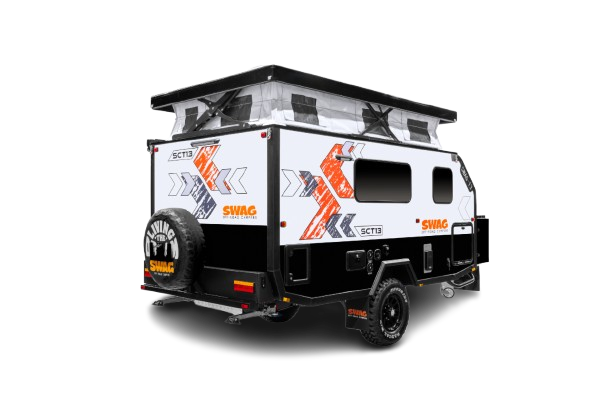
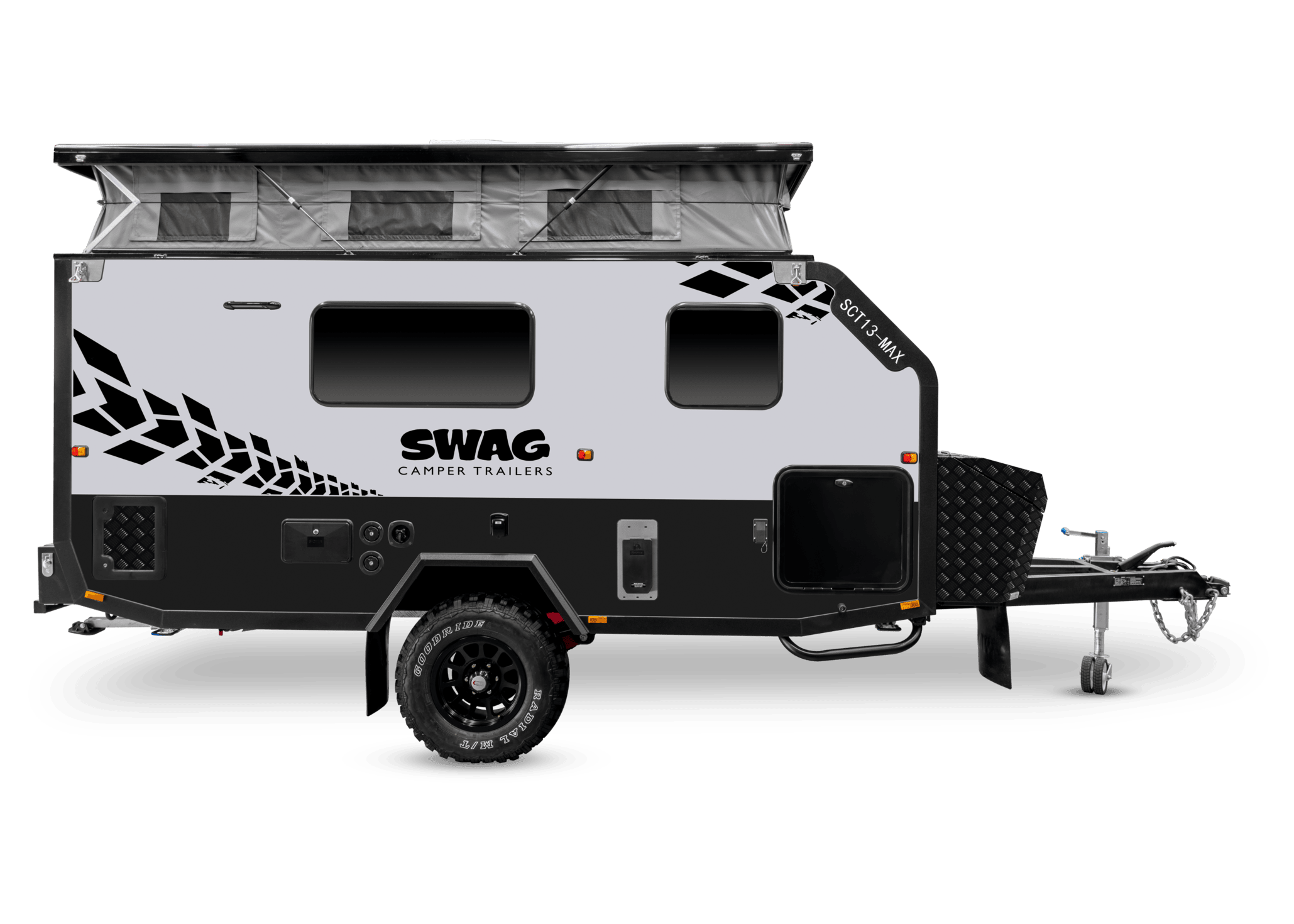
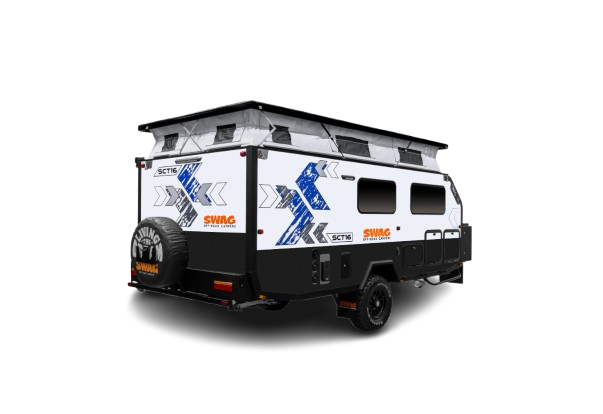
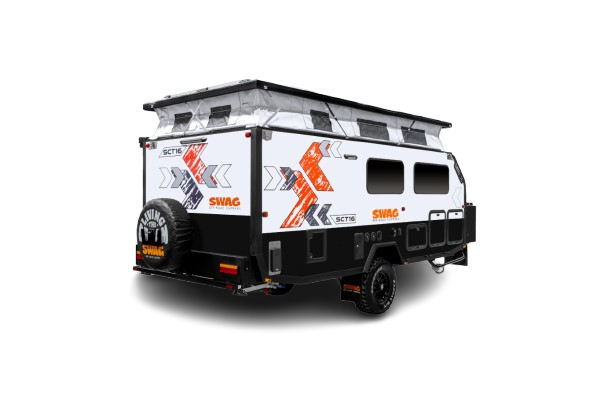
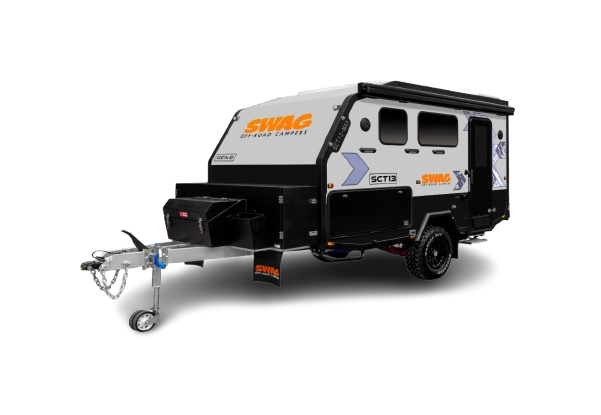
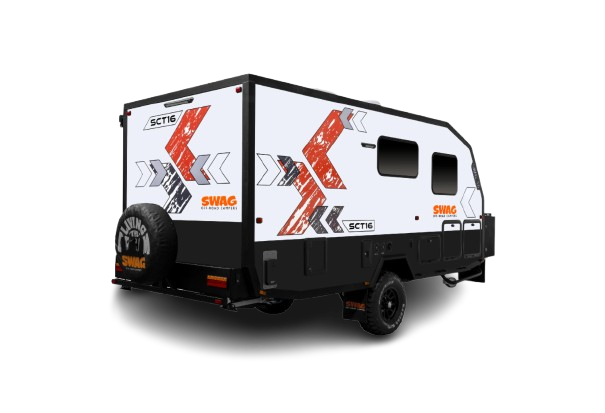
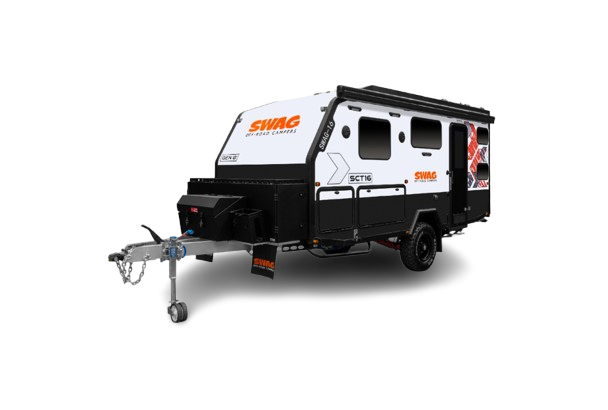
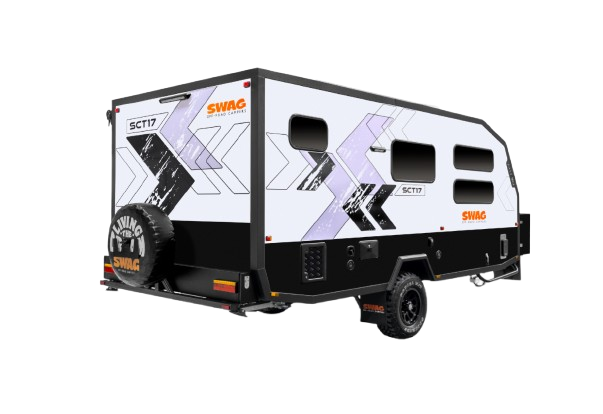
SWAG is built around practical caravans for real Australian travel. Our hybrid caravans and pop-top campers are designed to balance the things buyers often have to trade off: comfort, capability, and towing practicality.
Why travellers choose SWAG
- Built for Australian conditions: SWAG caravans are designed for off-road travel and rugged touring.
- Comfort without the bulk: The range is built to balance towing practicality with the comfort many travellers want on longer trips.
- Options for couples and families: SWAG offers layouts across pop-tops and hybrid caravans, including models suited to couples and family travel.
- Features that make travel easier: Across the range, you will find practical inclusions like generous storage, comfortable sleeping setups, and layouts designed for life on the road.
- Easy to compare your options: SWAG also gives you the ability to compare models side by side, making it easier to choose the right setup.
If you are ready to look at caravans that match the way Australians actually travel, SWAG is a strong place to start.
Explore our hybrid caravans and pop-tops to find the setup that suits your needs.