
Choosing between a caravan and a motorhome can feel harder than it should be.
Both offer freedom, road trips, and the chance to travel Australia on your own terms. Yet they create very different experiences once you are on the road. One gives you the flexibility of a separate tow vehicle and a fixed base at camp. The other keeps everything in one self-contained setup.
Some travellers also search caravan vs RV when comparing these options. In Australia, RV is usually a broad term that can include caravans, motorhomes, campervans, and other recreational vehicles. In most cases, the real comparison people are making is caravan vs motorhome.
The bigger question is simple. Do you want to tow your accommodation, or drive it?
That decision affects how you travel, how you set up, how you explore once you arrive, and what ownership looks like long term.
The Short Answer:
- Choose a caravan if you want more flexibility at your destination, lower ownership costs, and the option to unhitch and use your vehicle separately.
- Choose a motorhome if you want an all-in-one setup, quick pack-up, and no towing.
- The right option depends on how often you move, how comfortable you are towing or driving a larger vehicle, and what matters most once you reach camp.
Feature | Caravan | Motorhome |
Setup time | Usually 10 to 15 minutes after parking, levelling, and connecting | Usually 1 to 5 minutes, everything is already built in |
Driving or towing | Requires towing with a separate vehicle | Fully self-contained. No towing required |
Flexibility at the destination | High. Unhitch and use your vehicle for day trips and errands | Lower. You need to pack up and take the motorhome with you |
Ease of driving | Similar to towing a trailer. Requires some experience and confidence | Drives like a large vehicle. Easier for some, but size can take time to adjust to |
Living space | Wide range of layouts with strong separation between sleeping, cooking, and storage | Fully integrated living space, often more compact depending on the model |
Comfort level | High comfort, especially in larger caravans and hybrids | High comfort with everything built into one space |
Storage | Typically, more internal and external storage, especially for longer trips and gear | Fixed storage space. Can be more limited depending on the layout |
Cost (purchase) | Generally, a lower entry price compared to motorhomes | Typically, a higher purchase price is due to an integrated vehicle and living space |
Maintenance | Caravan and vehicle are separate. Easier to manage individually | Vehicle and living space combined. Servicing can be more complex |
If something breaks down | You still have your tow vehicle available | You lose both transport and accommodation at the same time |
Travel style | Suits travellers who want flexibility and a base camp setup | Suits travellers who want convenience and an all-in-one setup |
Non-Negotiables to Consider Before Choosing Between a Caravan or Motorhome
Before deciding between a caravan and a motorhome, it helps to step back and look at a few practical factors that apply to almost every buyer.
These are not preferences. They are the constraints and habits that usually determine which option will actually work for you.
1. Do You Want to Tow Your Setup or Drive It?
This is one of the biggest differences between a caravan and a motorhome.
A caravan requires towing with a separate vehicle. A motorhome combines your transport and accommodation into one.
Think about what you are more comfortable with:
- Towing a trailer behind your vehicle
- Driving a larger, self-contained vehicle
If you prefer not to tow: A motorhome may feel easier to manage, especially for shorter trips or for those new to caravanning.
If you are comfortable towing or already own a suitable vehicle: A caravan gives you more flexibility and usually more options.
2. Do You Want a Separate Vehicle Once You Arrive?
This is one of the most important real-world differences.
With a caravan, you can unhitch and use your vehicle to explore, run errands, or visit nearby towns.
With a motorhome, your accommodation is also your transport. This means you need to pack up and take everything with you whenever you leave camp.
Consider your travel habits:
- Do you like setting up a base and exploring the area?
- Do you plan to stay in one place and drive around during the day?
If you want flexibility at your destination: A caravan is usually the better option.
If you are happy to travel with everything in one vehicle: A motorhome can still work well.
3. What Is Your Total Ownership Budget?
Purchase price is only one part of the decision.
Motorhomes typically have a higher upfront cost because they combine a vehicle and living space. They can also come with higher ongoing costs such as servicing, insurance, and fuel.
Caravans are often more affordable to purchase, and the tow vehicle can be used separately for everyday driving.
Think about:
- Your initial purchase budget
- Ongoing servicing and maintenance
- Insurance and registration costs
- Fuel usage during travel
If budget is a major factor: A caravan often provides a lower overall cost of entry.
4. How Often Will You Be Moving Camps?
Your travel style plays a big role in how convenient each option feels.
Some travellers move every day. Others stay in one place for several nights.
Consider your typical trips:
- Daily travel with frequent stops
- Longer stays at a single campsite
If you move frequently: A motorhome offers quick setup and makes it easy to get back on the road.
If you stay in one place for several days: A caravan allows you to set up once and then use your vehicle separately.
5. Where Will You Store It?
Storage can quickly become a deciding factor.
Caravans need space at home for parking, which can be a challenge depending on your property.
Motorhomes also require storage, but they can sometimes double as a travel vehicle, depending on how you use them.
Consider:
- Available driveway or garage space
- Height and length restrictions
- Whether you will need paid storage
If storage space is limited: This may influence which size or type of setup is realistic.
6. How Comfortable Are You Driving a Larger Vehicle?
Driving a motorhome is different from driving a standard car.
While it removes the need to tow, it does require adjusting to a larger vehicle on the road, in traffic, and when parking.
Think about:
- Your experience driving larger vehicles
- Confidence in tight spaces or busy areas
- Parking and manoeuvring in towns or cities
If you prefer driving a standard vehicle: A caravan allows you to keep your normal driving experience once set up.
If you are comfortable driving larger vehicles: A motorhome can be a convenient option.
Why Many Travellers Choose a Caravan Setup
Once you look past the surface differences, the decision between a caravan and a motorhome usually comes down to flexibility versus convenience.
Motorhomes offer an all-in-one setup. You can stop, park, and settle in quickly. That works well for travellers who are constantly on the move and want to keep things simple.
Caravans take a different approach. They separate your accommodation from your transport, which changes how you travel day to day.
Where Caravans Stand Out
- More flexibility at your destination: You can unhitch your caravan and use your vehicle to explore nearby areas, run errands, or head into town without packing up your entire setup.
- Better for base camp travel: If you stay in one place for a few days, a caravan lets you set up once and then move freely.
- Lower overall ownership costs: In many cases, caravans have a lower purchase price than motorhomes. Maintenance is also split between the caravan and your vehicle, rather than combined into one system.
- Less disruption if something goes wrong: If your tow vehicle needs repairs, your accommodation remains unaffected. With a motorhome, both are tied together.
Where Motorhomes May Suit Better
Motorhomes can still be a great option for the right traveller.
- No towing required
- Quick setup and pack-down
- Everything stays in one place while travelling
They are often preferred by travellers who move frequently and want to keep things simple on the road.
The Key Takeaway
There is no single “better” option. The right choice depends on how you travel.
If you value flexibility, independence at your destination, and lower ownership costs, a caravan is often the better fit.
If you prefer simplicity, quick stops, and an all-in-one setup, a motorhome may suit your travel style.
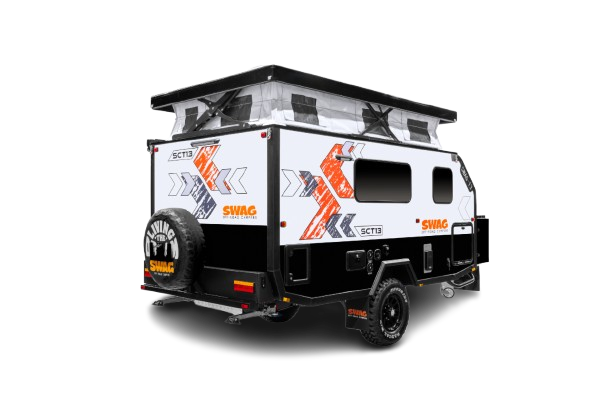
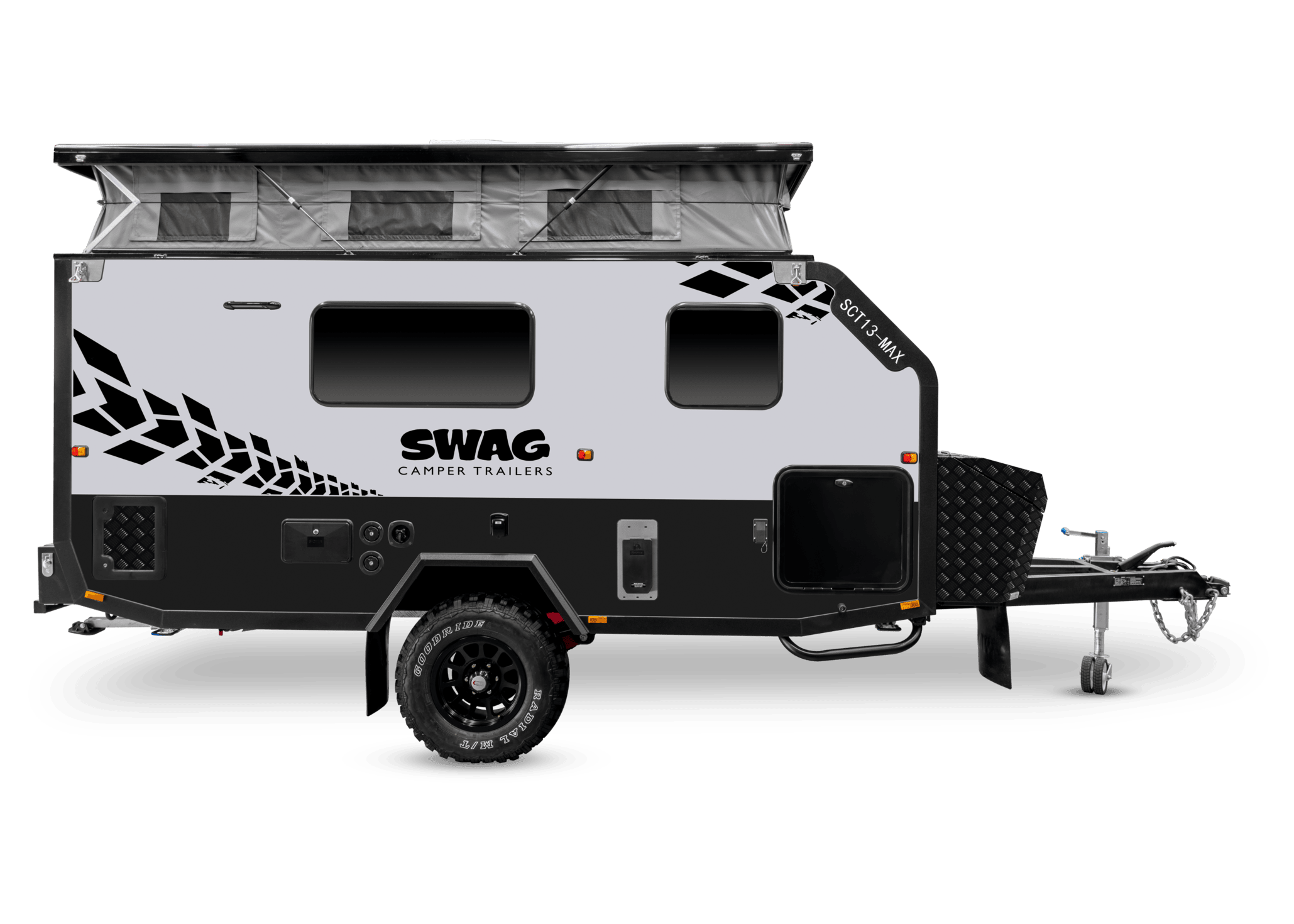
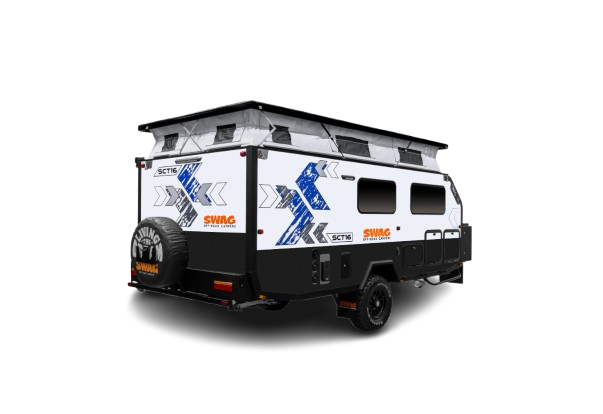
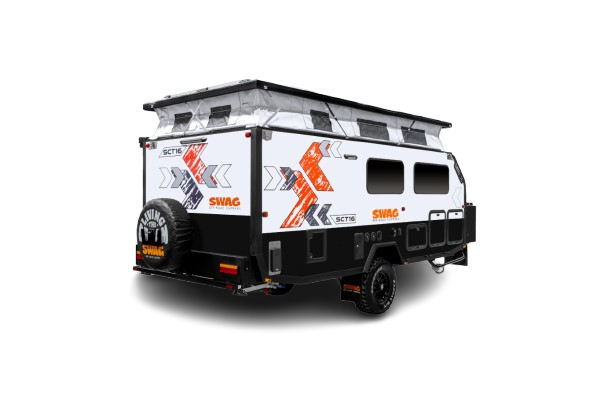
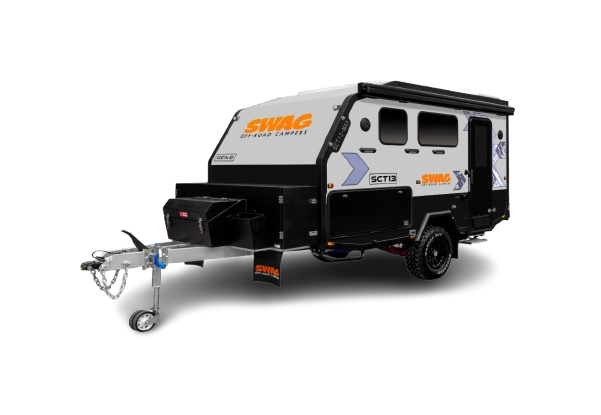
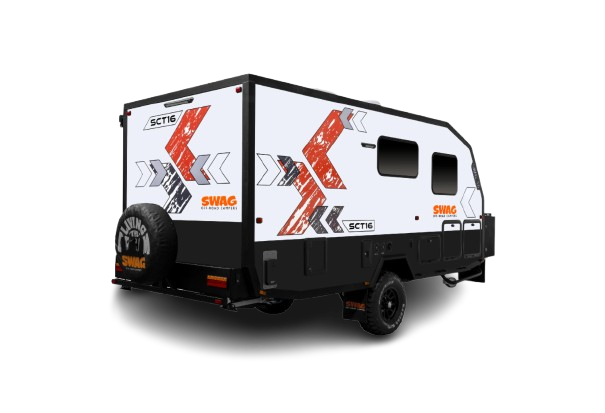
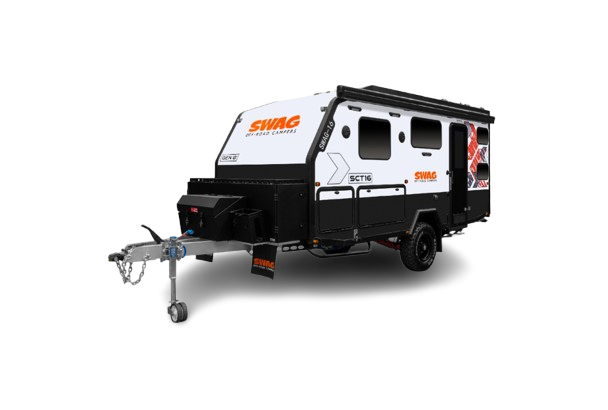
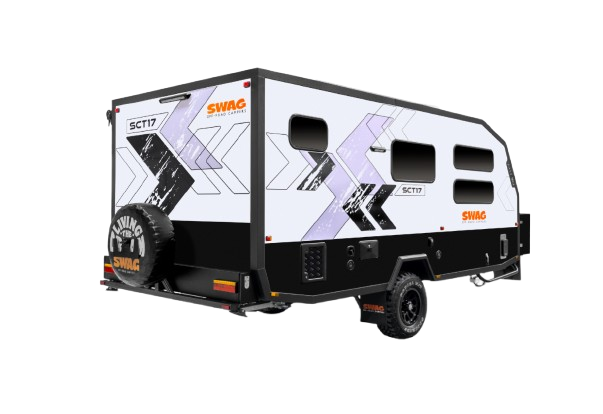
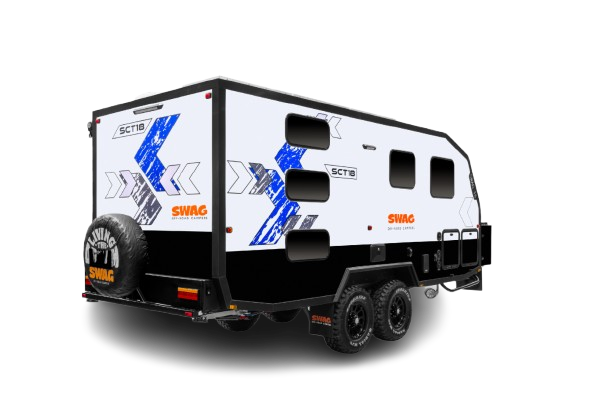
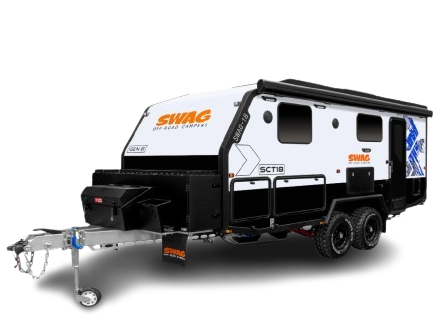
Think a Caravan Is Right for You? Explore SWAG’s Hybrid Caravans
If you have decided a caravan suits the way you travel, the next step is finding one that gives you the right mix of comfort, capability, and practicality.
That is what SWAG is built around.
SWAG is a 100% Australian family-owned business with experience dating back to 2008, focused on hybrid caravans and pop-tops designed for real Australian travel.
Why travellers choose SWAG
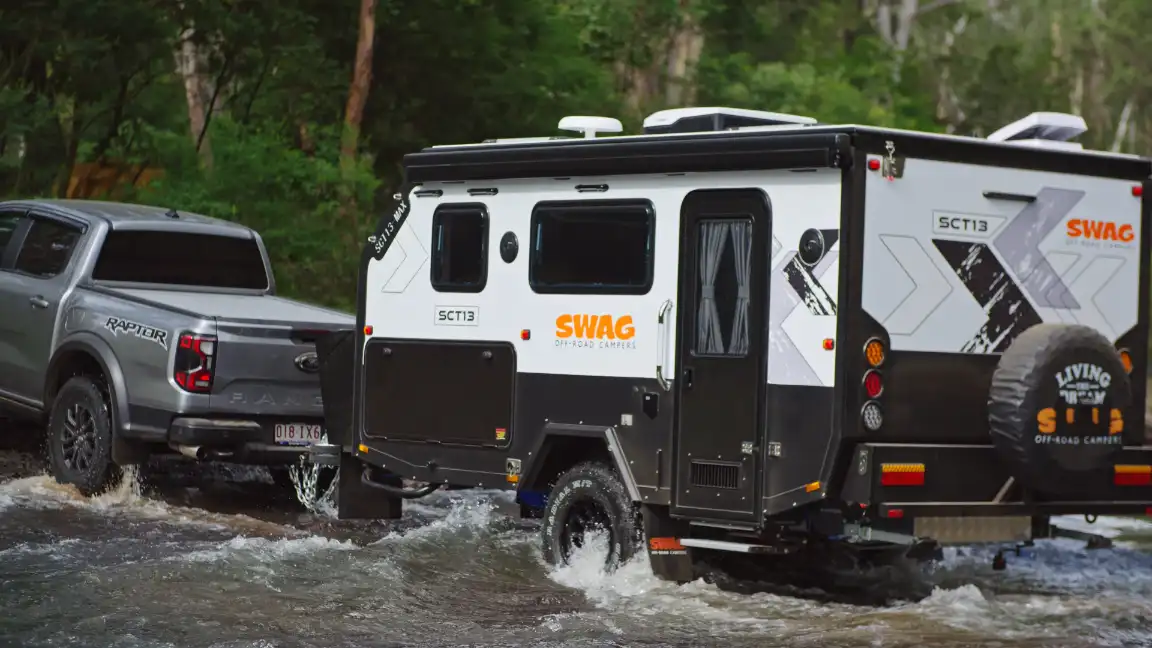
- Built for Australian conditions: SWAG caravans are designed for off-road travel and rugged touring.
- Comfort without the bulk: The range is built to balance towing practicality with the comfort many travellers want on longer trips.
- Options for couples and families: SWAG offers layouts across pop-tops and hybrid caravans, including models suited to couples and family travel.
- Features that make travel easier: Across the range, you will find practical inclusions like generous storage, comfortable sleeping setups, and layouts designed for life on the road.
- Easy to compare your options: SWAG also gives you the ability to compare models side by side, making it easier to choose the right setup.
If you want a caravan that is designed for Australian adventures and built around the way people actually travel, SWAG is a strong place to start.
Explore SWAG’s hybrid caravans and hybrid pop-tops to find the setup that suits your travel style.