
Buying a caravan is a big investment, but the purchase price is only one part of the total cost. Before you compare models, it helps to understand what caravans usually cost in Australia, why prices vary so much, and what ongoing costs you may need to budget for after you buy.
The cost of a caravan depends on the type of van, size, layout, off-road capability, included features and build quality. A smaller touring caravan will usually sit at a very different price point to a family off-road hybrid with bunks, solar, lithium batteries, water storage and an ensuite.
This guide breaks down the upfront and ongoing costs of owning a caravan in Australia, so you can compare your options properly and choose a setup that suits your budget, tow vehicle and travel plans.
How Much Does a Caravan Cost in Australia?
In Australia, a new caravan can cost anywhere from around $30,000 to more than $150,000, depending on the type of caravan, its size, layout, build quality, off-road capability and included features.
Smaller touring caravans and pop-tops usually sit at the lower end of the market, while hybrid caravans, family caravans and off-road caravans often cost more because they include stronger construction, larger layouts, upgraded suspension, water storage, power systems and extra comforts.
As a general guide, here is what you can expect to pay for different types of new caravans in Australia.
| Caravan Type | Typical New Price Range | Best Suited To |
|---|---|---|
| Camper Trailer | $15,000–$50,000+ | Budget-conscious campers, weekend trips and basic touring |
| Pop-Top Caravan | $30,000–$80,000+ | Easier towing, lower height and shorter trips |
| Full-Size Touring Caravan | $60,000–$120,000+ | Road-based travel, longer stays and more internal space |
| Hybrid Caravan | $60,000–$120,000+ | Buyers wanting comfort, towability and off-road capability |
| Off-Road Caravan | $80,000–$150,000+ | Rougher roads, off-grid travel and remote touring |
| Luxury Caravan | $120,000–$200,000+ | Premium appliances, larger layouts and high-end finishes |
These ranges are only a guide. The final price will depend on the model, inclusions, optional upgrades and how travel-ready the caravan is when you buy it.
A lower-cost caravan may suit simple road-based trips, while a higher-spec model may be worth considering if you need bunks, an ensuite, off-road suspension, solar, lithium batteries, extra water storage or a layout built for longer trips. This is why it is important to compare more than the advertised price. You also need to look at what is included and what you may need to add before your first trip.
Why Do Caravan Prices Vary So Much?
Caravan prices vary because every model is built for a different type of traveller. Two caravans may look similar from the outside, but the price can change significantly once you compare the size, layout, suspension, power system, water storage, appliances and overall build quality.
A cheaper caravan may be enough for short road-based trips. A higher-spec caravan may make more sense if you want to travel off-road, carry more gear, sleep a family comfortably or spend more time away from powered sites.
Caravan Type
The type of caravan has one of the biggest impacts on cost.
Camper trailers usually have a lower entry price because they are smaller and often have fewer internal comforts. Pop-top caravans can also be more affordable than larger full-height caravans because of their lower profile and simpler layout.
Hybrid caravans usually sit in the mid to higher price range because they combine parts of a camper trailer and caravan. They are often designed to be more compact and towable than a full-size caravan while still offering features such as a bed, kitchen, storage, ensuite options, solar and off-road capability.
Off-road caravans generally cost more because they need stronger construction, upgraded suspension, better clearance, suitable tyres, dust sealing and systems designed for rougher travel.
Size and Layout
Larger caravans usually cost more because they need more materials, fittings, cabinetry and structural support. The layout also matters.
A couples caravan with one main bed will usually cost less than a family caravan with bunks, extra storage, a larger fridge, more seating and a bigger overall footprint. Features such as an internal ensuite, separate shower and toilet, larger kitchen or dedicated dining area can also add to the cost.
If you are comparing family caravans, it is worth looking at berth count, storage space and payload. A caravan that sleeps more people also needs enough room and weight capacity for clothing, food, water, bedding, camping gear and everyday travel items.
Off-Road Capability
Off-road capability is another major price factor. A true off-road caravan needs more than rugged styling.
Important cost factors can include:
- Stronger chassis construction
- Upgraded suspension
- Higher ground clearance
- All-terrain tyres
- Better dust and water sealing
- Larger water storage
- Stronger external protection
- Power systems suited to off-grid camping
These features can increase the upfront price, but they may be important if you plan to travel on corrugated roads, bush tracks, beach access roads or remote touring routes.
Power, Water and Off-Grid Features
Many buyers want the freedom to camp away from powered sites. This is where the electrical and water systems become important.
Solar panels, lithium batteries, inverters, chargers, water tanks, grey water tanks and hot water systems can all add to the purchase price. The more self-sufficient the caravan is, the more equipment it usually needs.
These inclusions can be worth paying for if you plan to stay off-grid, travel for longer periods or avoid relying only on caravan parks. They may also reduce the need to add expensive upgrades later.
Appliances and Comfort Features
Comfort features also affect the cost of a caravan. These can include:
- Air conditioning
- Fridge or freezer
- Cooktop
- Microwave
- Hot water system
- Toilet and shower
- Internal and external kitchen areas
- Awning
- Heating
- TV or entertainment setup
Some buyers only need the basics. Others want a caravan that feels comfortable for longer trips, family holidays or remote travel. The more features included, the higher the price is likely to be.
Build Quality, Warranty and Support
Build quality has a major impact on long-term value. Stronger materials, better components and well-fitted systems usually cost more upfront, but they can make the caravan easier to live with over time.
Warranty, parts access and after-sales support should also be part of the cost comparison. A lower advertised price may not offer better value if key features need to be upgraded, repaired or added after purchase.
What Are the Ongoing Costs of Owning a Caravan?
The purchase price is the highest upfront cost, but it is not the only cost to plan for. Once you own a caravan, you may also need to budget for registration, insurance, servicing, storage, fuel, campsite fees, accessories and general maintenance.
These ongoing costs vary depending on your caravan, where you live, how often you travel and whether you mostly stay at powered sites, free camps or off-grid locations.
| Ongoing Cost | Indicative Cost Range | What It Covers |
|---|---|---|
| Registration | $100–$800+ per year | State-based caravan registration fees, which can vary by caravan weight and location |
| Insurance | $500–$2,000+ per year | Cover for theft, accidents, storm damage, fire and other insured events |
| Servicing | $300–$800+ per service | Brakes, bearings, suspension, seals, tyres, lights and general safety checks |
| Tyres | $150–$400+ per tyre | Replacement due to wear, age, punctures, cracking or off-road damage |
| Gas Refills and Checks | $30–$150+ as needed | Gas bottle refills, gas fittings and appliance safety checks |
| Battery Maintenance or Replacement | $200–$2,000+ as needed | Battery testing, charging issues or replacement, depending on whether the caravan uses AGM or lithium batteries |
| Storage | $150–$500+ per month | Secure storage if you cannot keep the caravan at home |
| Extra Fuel While Towing | Varies by trip | Higher fuel use caused by towing weight, drag, road conditions and driving style |
| Campsite Fees | $0–$100+ per night | Free camps, national park sites, unpowered sites, powered sites and caravan parks |
| Accessories and Setup Gear | $500–$3,000+ upfront | Towing mirrors, hoses, levelling ramps, wheel chocks, power leads, covers, tools and recovery gear |
These figures are a general guide only. Your actual ownership costs will depend on where you live, the value and weight of your caravan, how often you travel, where you store it and whether you mostly stay on-road, off-road, at caravan parks or off-grid campsites.
Registration and Insurance
Caravan registration costs vary by state and may depend on the weight of the caravan. Insurance costs also vary based on the caravan’s value, where it is stored, how often it is used and the level of cover you choose.
Before buying, it is worth getting an insurance estimate for the type of caravan you are considering. This gives you a clearer idea of your yearly ownership costs, not just the upfront purchase price.
Servicing and Maintenance
Regular servicing helps keep your caravan safe, reliable and ready for travel. A standard service may include checks on the brakes, bearings, suspension, tyres, seals, lights, plumbing, gas and electrical systems.
If you plan to travel off-road, maintenance becomes even more important. Corrugations, dust, mud, water crossings and rough roads can put extra stress on the caravan, so you may need more frequent checks before and after longer trips.
Fuel and Travel Costs
Towing a caravan usually increases fuel use. The difference depends on your tow vehicle, caravan weight, tyre pressure, wind resistance, road conditions and driving style.
If you are planning longer trips, fuel should be part of your budget from the start. A lighter or more compact caravan may help reduce towing strain, while a larger family or off-road caravan may cost more to tow over long distances.
Storage Costs
Some owners can store their caravan at home. Others may need to pay for secure caravan storage, especially if they live in a townhouse, apartment or property without enough driveway space.
Storage costs vary depending on location, access, security and whether the space is undercover. If you cannot keep your caravan at home, check local storage costs before you buy.
Accessories and Setup Costs
Many first-time buyers need extra gear before their first trip. These costs are easy to forget when comparing caravan prices.
Common setup costs can include:
- Towing mirrors
- Brake controller, if not already fitted
- Hoses and power leads
- Levelling ramps
- Wheel chocks
- Caravan cover
- Privacy screens
- Cooking equipment
- Bedding and storage tubs
- Recovery gear for off-road travel
- Basic tools and spare parts
These items may not all be expensive on their own, but they can add up quickly. Budgeting for them early gives you a more realistic view of what your caravan will cost once it is ready to use.
How to Compare Caravan Prices Properly
When comparing caravan prices, do not look at the advertised price alone. A lower price may look appealing at first, but it may not include the features, systems or setup you need for the way you plan to travel.
A better approach is to compare what is included, what may need to be added, and whether the caravan suits your tow vehicle, travel style and long-term plans.
| What to Compare | Why It Matters |
|---|---|
| Base price vs included features | Some caravans need costly upgrades before they are travel-ready |
| Tare, ATM and payload | These affect towing safety, legal limits and how much gear you can carry |
| Sleeping layout | Couples, families and larger groups need different bed and storage setups |
| Off-road capability | Suspension, clearance, tyres and sealing matter if you plan to travel beyond sealed roads |
| Battery and solar setup | These affect how comfortably you can camp away from powered sites |
| Water capacity | Larger water storage is useful for longer trips, family travel and off-grid camping |
| Ensuite and kitchen setup | These affect comfort, convenience and how self-contained the caravan is |
| Warranty and support | Good support can make ownership easier if you need help after purchase |
| Dealer transparency | Clear specs, inclusions and weights make it easier to compare models properly |
The cheapest caravan is not always the best value, and the most expensive caravan is not always the right fit. The best choice is the caravan that gives you the features you will actually use, without adding unnecessary size, weight or cost.
For example, a couple planning short weekend trips may not need the same layout as a family preparing for a school holiday touring. A buyer planning off-road trips will need to look more closely at suspension, clearance, tyres, power and water storage than someone who mainly stays at caravan parks.
This is why it helps to compare caravans by use case, not just price. Before deciding on a model, ask:
- What type of trips will we take most often?
- How many people need to sleep comfortably?
- Will we mostly stay on-road, off-road or off-grid?
- What can our tow vehicle legally and safely tow?
- What features are included as standard?
- What will we need to buy or upgrade later?
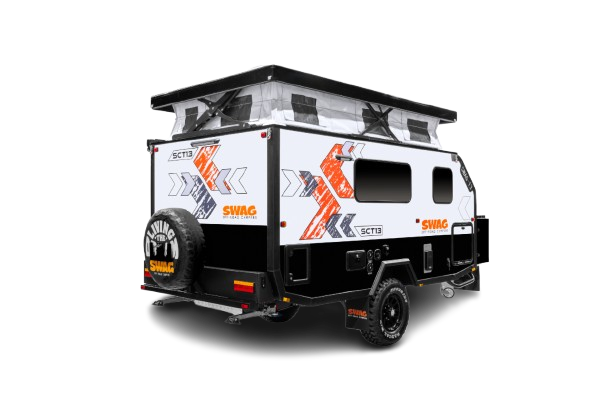
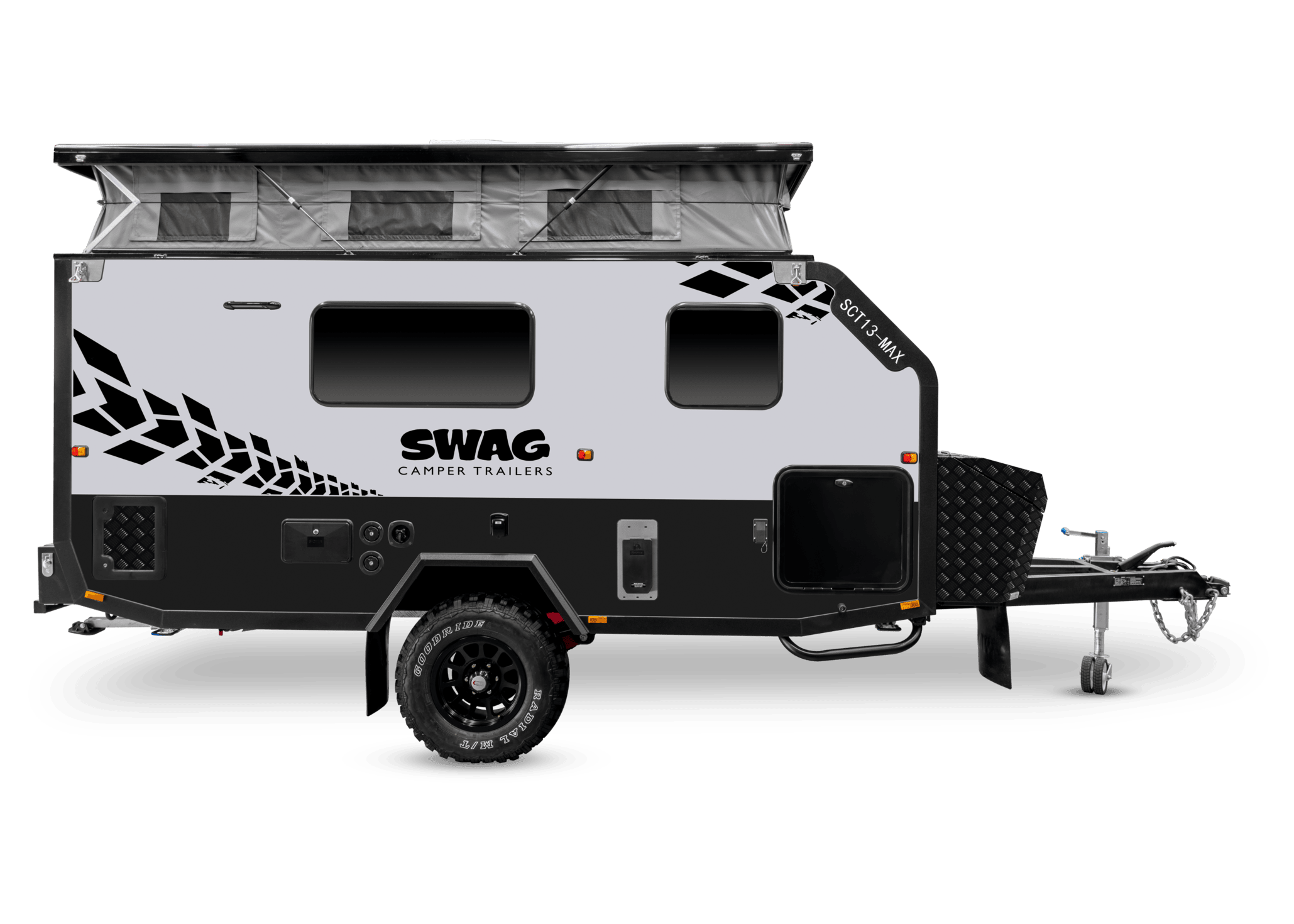
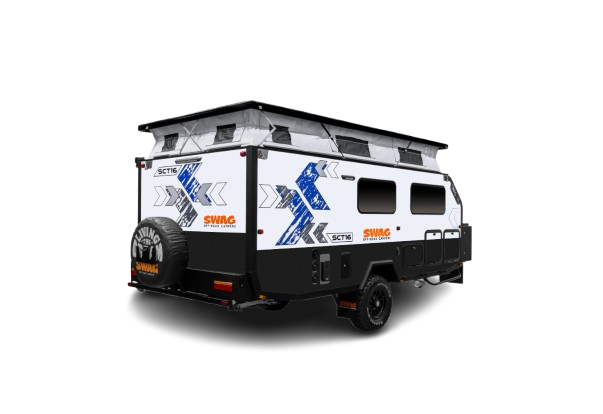
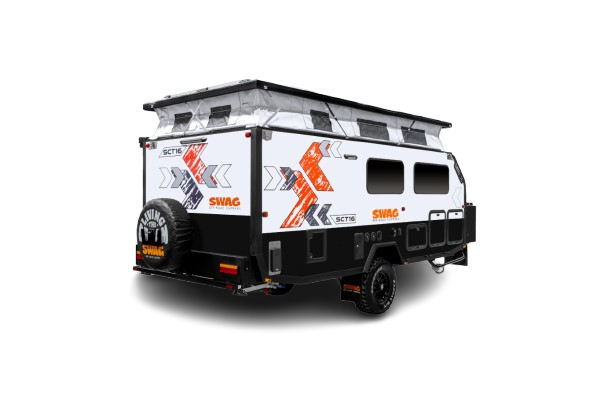
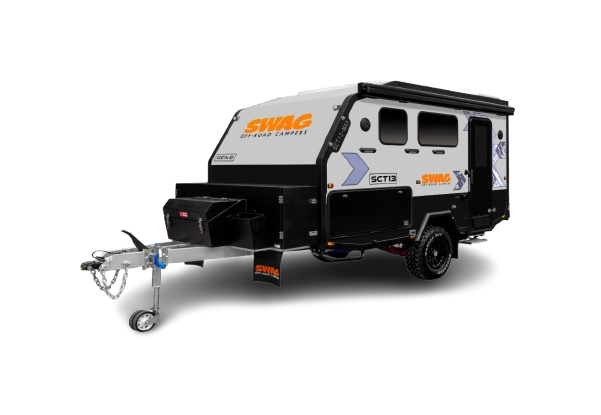
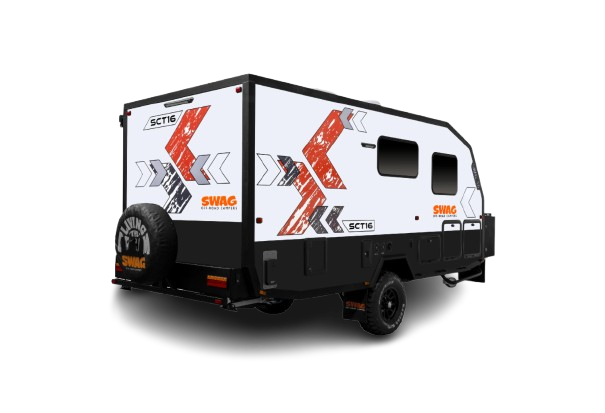
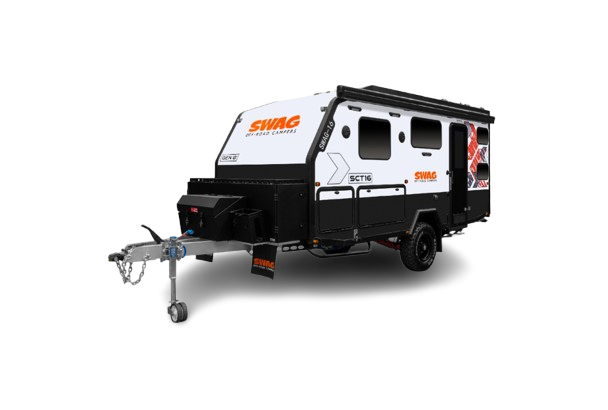
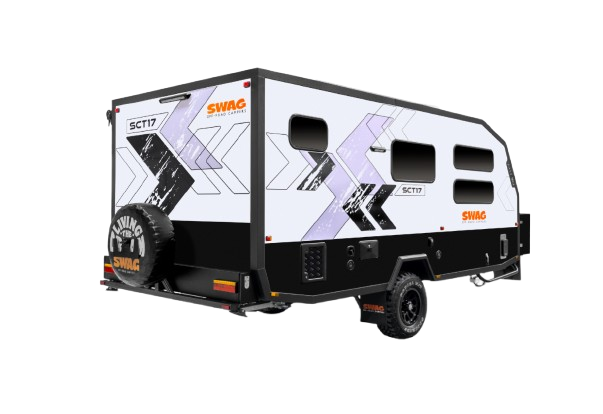
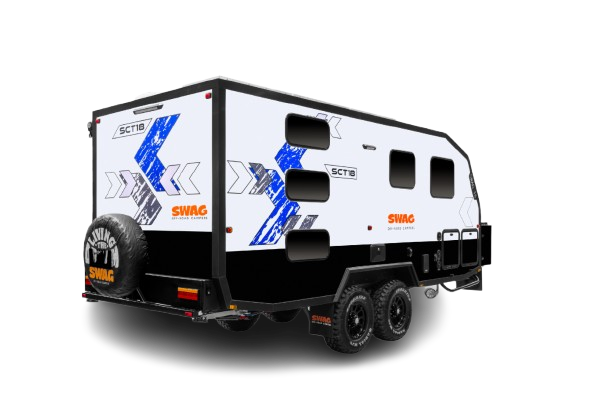
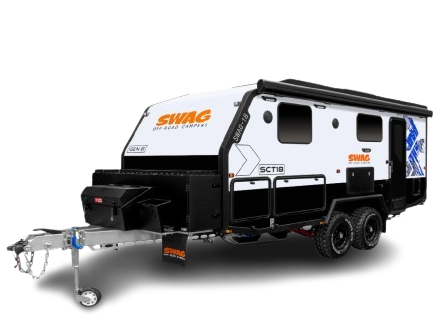
SWAG’s hybrid caravan and pop-top hybrid caravan range includes options for couples, families and off-road travellers, with different layouts, berth options and specs to suit different travel needs. Comparing these details upfront can help you choose a caravan that suits your budget now and remains practical for the trips you want to take later.
So, How Much Should You Budget for a Caravan?
The right caravan budget depends on how you plan to travel. A smaller, simpler caravan may be enough for weekend trips and caravan park stays. A higher-spec hybrid or off-road caravan may be worth considering if you want more comfort, more storage, longer off-grid stays or a layout that suits family travel.
Instead of choosing a caravan based on price alone, think about how you will use it most often.
| Travel Style | What to Prioritise |
|---|---|
| Weekend trips | Easy towing, fast setup, basic comforts and simple storage |
| Family holidays | Bunks, storage, fridge space, ensuite facilities and enough payload for gear |
| Off-road touring | Suspension, ground clearance, tyres, dust sealing, water storage and power systems |
| Long-term travel | Comfort, storage, reliable appliances, servicing access and practical living space |
| Off-grid camping | Solar, lithium batteries, inverter, water capacity, grey water storage and gas setup |
| Budget-conscious buying | Included features, warranty, support and total ownership cost |
A caravan that looks affordable upfront may cost more if you need to add solar, batteries, towing gear, storage solutions, water capacity or comfort features after purchase. On the other hand, paying for features you will rarely use can add unnecessary cost and weight.
Before setting your budget, ask:
- How many people will travel with us?
- Will we mostly take short trips or longer holidays?
- Do we need off-road capability, or will we stay mainly on sealed roads?
- Do we want to camp off-grid or use powered caravan sites?
- What can our tow vehicle safely and legally tow?
- What features are included in the purchase price?
- What ongoing costs will we need to allow for each year?
A realistic caravan budget should include both the purchase price and the cost of ownership. That means allowing for registration, insurance, servicing, fuel, storage, accessories and maintenance, not just the advertised price of the caravan.
If you are planning regular travel, family trips or off-road touring, it may be better to choose a caravan that is closer to travel-ready from the start. This can help you avoid paying for major upgrades soon after buying.
Compare SWAG Hybrid Caravans
Once you have a clearer idea of your budget, it becomes easier to compare caravan options based on how you actually want to travel.
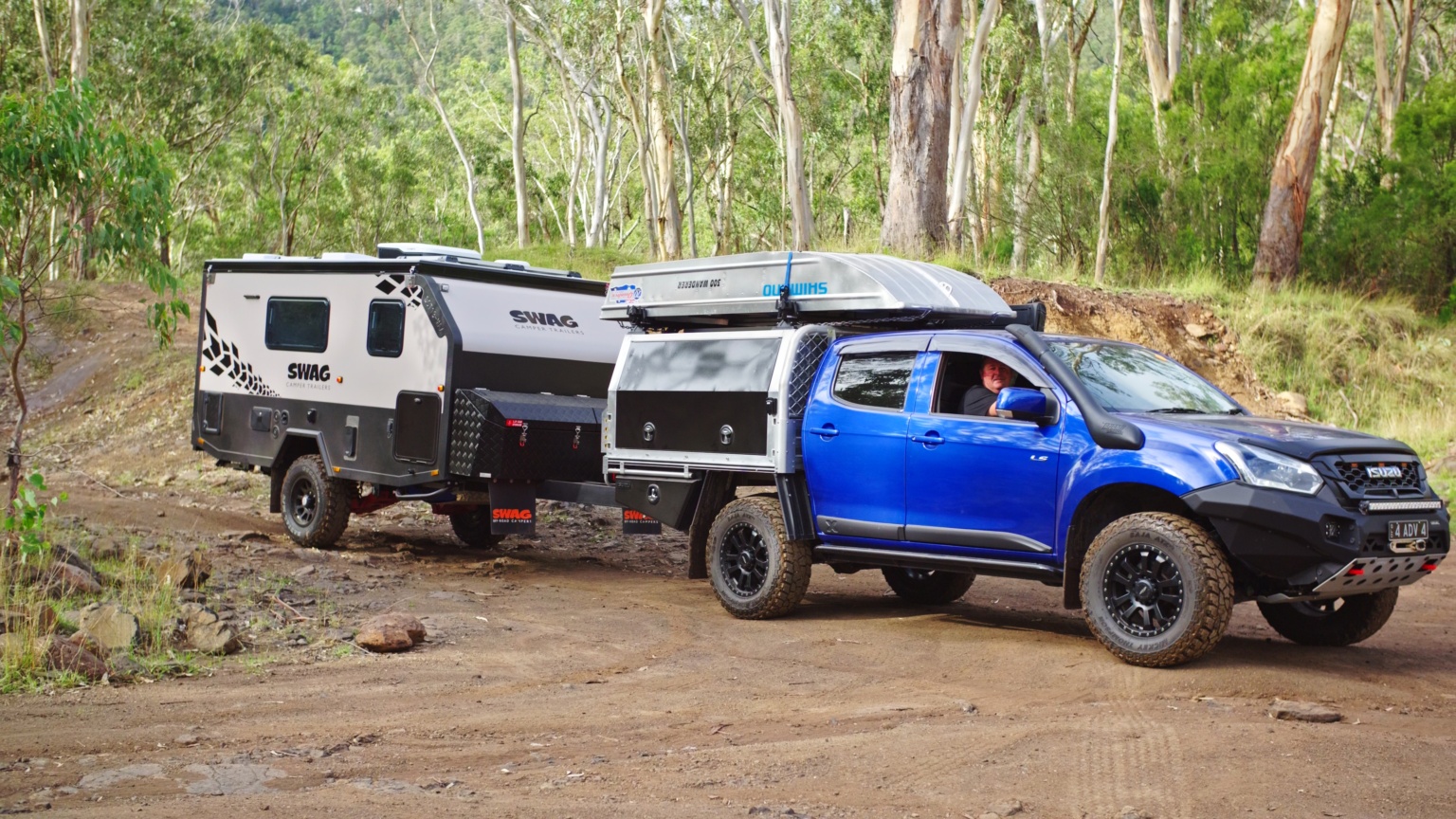
SWAG’s hybrid caravan range is designed for buyers who want the comfort of a caravan with the practicality of a more compact, off-road-capable setup. Our range includes options for couples, families and travellers who want more freedom to explore beyond standard caravan park stays.
Depending on the model, SWAG hybrid caravans can include features such as:
- Couples and family-friendly layouts
- King-size beds
- Bunk options for kids
- Internal ensuite facilities
- Internal and external kitchen options
- Solar and lithium battery systems
- Water storage for longer trips
- Off-road suspension and tyres
- Practical storage throughout the van
For families, a hybrid caravan can provide the sleeping space, storage and convenience needed for school holiday trips, long weekends and bigger touring plans. For couples, it can offer a comfortable setup without moving into a large full-size caravan.
If you are comparing costs, look closely at what is included in each model rather than focusing only on the starting price. A caravan with stronger off-road capability, better power systems, water storage, ensuite facilities and family-friendly layouts may cost more upfront, but it may also be closer to the setup you actually need.
We make it easier to compare different models by listing key specifications such as tare, ATM, dimensions, bed size, berth count and layout. These details can help you narrow down which caravan suits your tow vehicle, budget and travel plans.
Ready to compare your options? View our range or speak with the team about the right model for your budget, vehicle and travel style.